
Cadaqués
Reached over a hair-raising mountain road on the Cap de Creus peninsula, Cadaqués stayed a fishing village while the rest of the Costa Brava grew hotels.
- Best forCouples · Culture seekers · Photographers
- In June25°C · 5 rainy days · sea 21°C
- Ideal stay2–3 nights
- Approx. flying time~12h 05m from Los Angeles
- CurrencyEUREuro
- LanguageSpanish
- Local time12:151h ahead of the UK
- PlugsType C / FBring an adapter
- Drive on theRightOpposite to the UK
- Dialling code+34
Why go
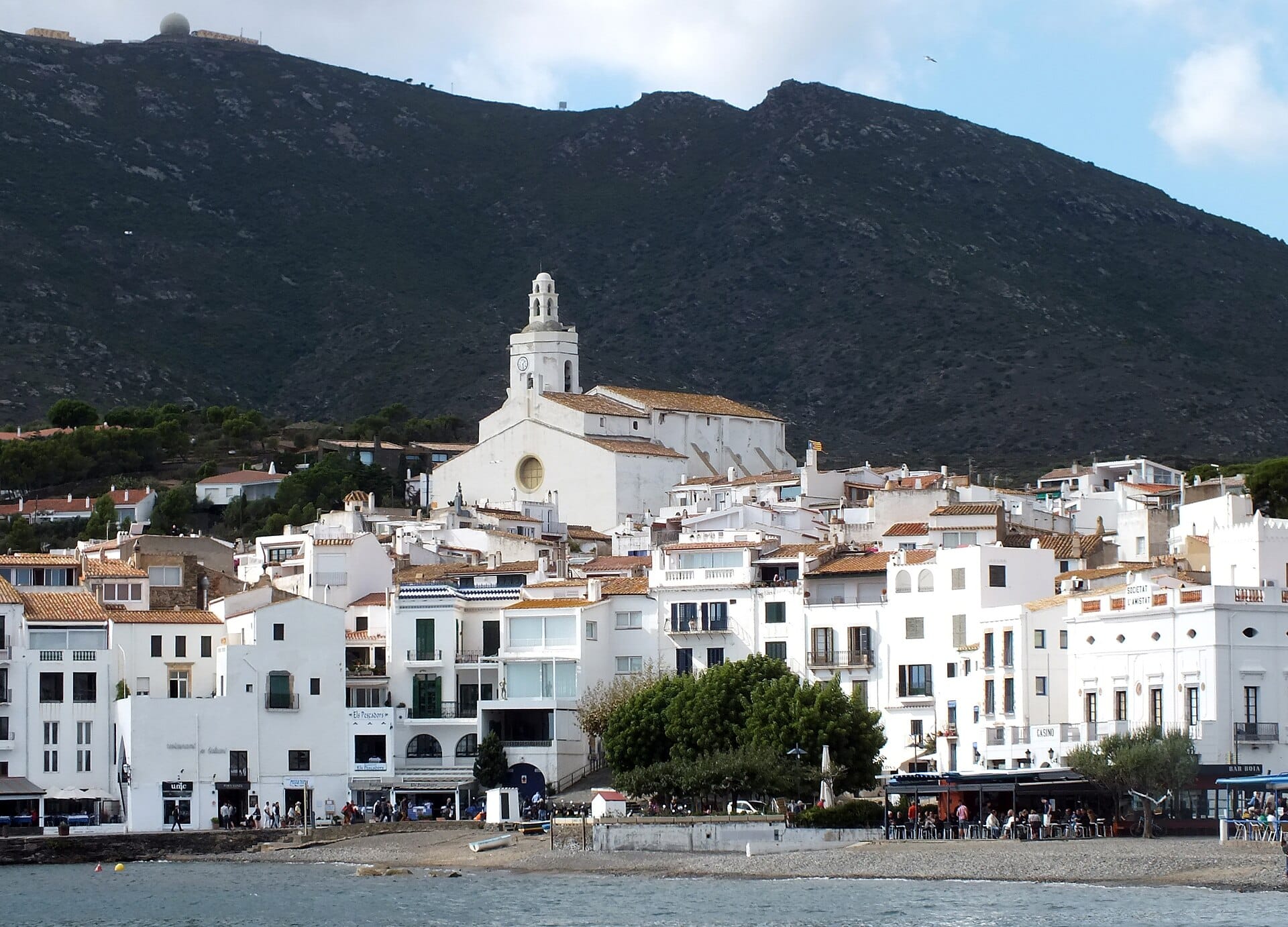
Whitewashed houses stack around a curved bay on the Cap de Creus peninsula, reached over a winding mountain road that has kept the developers away. Beaches are shingle rather than sand, the water is clear and cold, and the shape of the town has barely changed since it was a working fishing village. Evenings revolve around the seafront promenade and a very long dinner.
Two or three nights is about right, usually as part of a Costa Brava trip taking in Girona and the Empordà. It works from spring to autumn and shuts down noticeably in winter. August fills the town and turns the road into a queue, while June and September are considerably better. The tramuntana wind can blow hard for days at a stretch.
- Ideal stay
- 2–3 nights
- The vibe
- White, windswept, artily bohemian
From our guides
Whitewashed houses tumble to a bay full of little boats, Dalí's house-museum sits in the next cove, and evenings mean anchovies, cold rosé and the slow promenade. The beaches are pebbly; the atmosphere more than compensates.
Featured in Ten lovely beach towns for lazy harbourside evenings
Things to do
-
Portlligat
Dalí's house museum in the next cove, a warren of fishermen's cottages knocked together over decades. Entry is by timed ticket and books out quickly.
-
Cap de Creus
A natural park of wind-twisted rock at mainland Spain's most easterly point, with a lighthouse, walking paths and coves reached only on foot.
-
The seafront promenade
The evening ritual is a slow walk along the bay, past the church steps and the small boats pulled up on the shingle.
-
Santa Maria church
Above the old town, holding a gilded baroque altarpiece that comes as a considerable surprise inside such a plain white exterior.
-
Coves by kayak
Sea kayaks reach the small rocky inlets north and south of the town that the coastal path only glimpses from above.
-
Anchovies and sea urchins
Local anchovies from the bay are the regional speciality, alongside sea urchins eaten straight from the shell in the winter months.
Getting there
-
Fly to
Girona (GRO)
Nearest airport to Cadaqués, about 60km away as the crow flies.
-
Then
To Cadaqués
About an hour and a half by car from Perpignan (PGF), south across the border and then over the twisting mountain road from Roses. Many visitors fly to Barcelona or Girona instead and drive up the coast.
-
On the ground
Getting around
The village itself is small and entirely walkable, with parking on the edge rather than in the centre. Port Lligat and Dalí's house are a fifteen-minute stroll around the headland.
Public transport: A handful of coaches run from Figueres and Barcelona, but the service is slow and thins right out in winter.
Flights
Los Angeles Cadaqués, Catalonia, Spain
Fly from anywhere — search 4,000+ airports worldwide.
Roughly 12h 05m in the air from Los Angeles (LAX), estimated from the distance — check for a direct route. Pick a month to see every available flight with live prices.
Check dates and prices
Pick your departure date, then your return.
Search flightsNot sure when? Compare fares across a whole month.
Flight times are estimates; prices open on Google Flights.
When to go
Daytime highs run from about 12°C in January to 28°C in July. Driest in July and August; wettest in November, with rain on about 9 days. The sea is warmest in August at around 25°C, coolest at 13°C.
The year at a glance — pick a month for detail
June25° · rain 5 days · sea 21°Warm with the odd shower.
Monthly figures averaged from daily records for 2020–2024 at this location (ERA5 reanalysis). Highlighted months are warm and mostly dry — June to August. Live conditions from MET Norway, CC BY 4.0.
Where to stay
Small family-run hotels and pensions in old fishermen's houses, holiday apartments and a couple of larger seafront hotels. No resorts and no chains.
-
Best base overall
Cadaques old town
Whitewashed lanes above the bay, everything within a five-minute walk and the promenade for evening. Streets are steep and largely pedestrian, so expect to carry bags some distance from the car park.
Find stays in Cadaques old town -
Best for couples
Port Lligat
The next cove north, where Dali's house sits by a tiny harbour and it is silent by nine. There are only a few places to stay and no shops, so plan meals in town.
Find stays in Port Lligat -
Best value
Roses
Back over the mountain on the main coast, with a full range of hotels and apartments at ordinary Costa Brava prices and a proper sandy beach. It lacks the charm entirely.
Find stays in Roses -
Quietest
El Port de la Selva
A working fishing village on the north side of the peninsula, calmer than Cadaques and handy for the Sant Pere de Rodes monastery. Very few restaurants outside high summer.
Find stays in El Port de la Selva
Worth knowing before you book: The village is tiny and August is reserved by spring, often with minimum stays. The mountain road is slow and parking is severely limited, so ask the property where to leave a car.
Search everything else in Cadaqués by budget. These are indicative budget bands in GBP per night for two people, not live quotes or guarantees of hotel type. Check your dates, guests, taxes and final price on Booking.com.
Good to know
- The road in
- The approach is narrow and full of hairpins. Drive it in daylight if you can, and take it slowly either way.
- Parking
- Spaces in the village are very limited in summer. Use the car parks on the way in and walk down to the bay.
- Beaches
- Shingle and rock rather than sand. Water shoes make swimming and getting out again considerably more pleasant.
- Wind
- The tramuntana can arrive suddenly and blow for days, cancelling boat trips and making the coastal path thoroughly unpleasant.
- Book ahead
- The Dalí house at Portlligat sells timed tickets in advance and regularly sells out entirely through the summer months.
Similar places
Nearby destinations
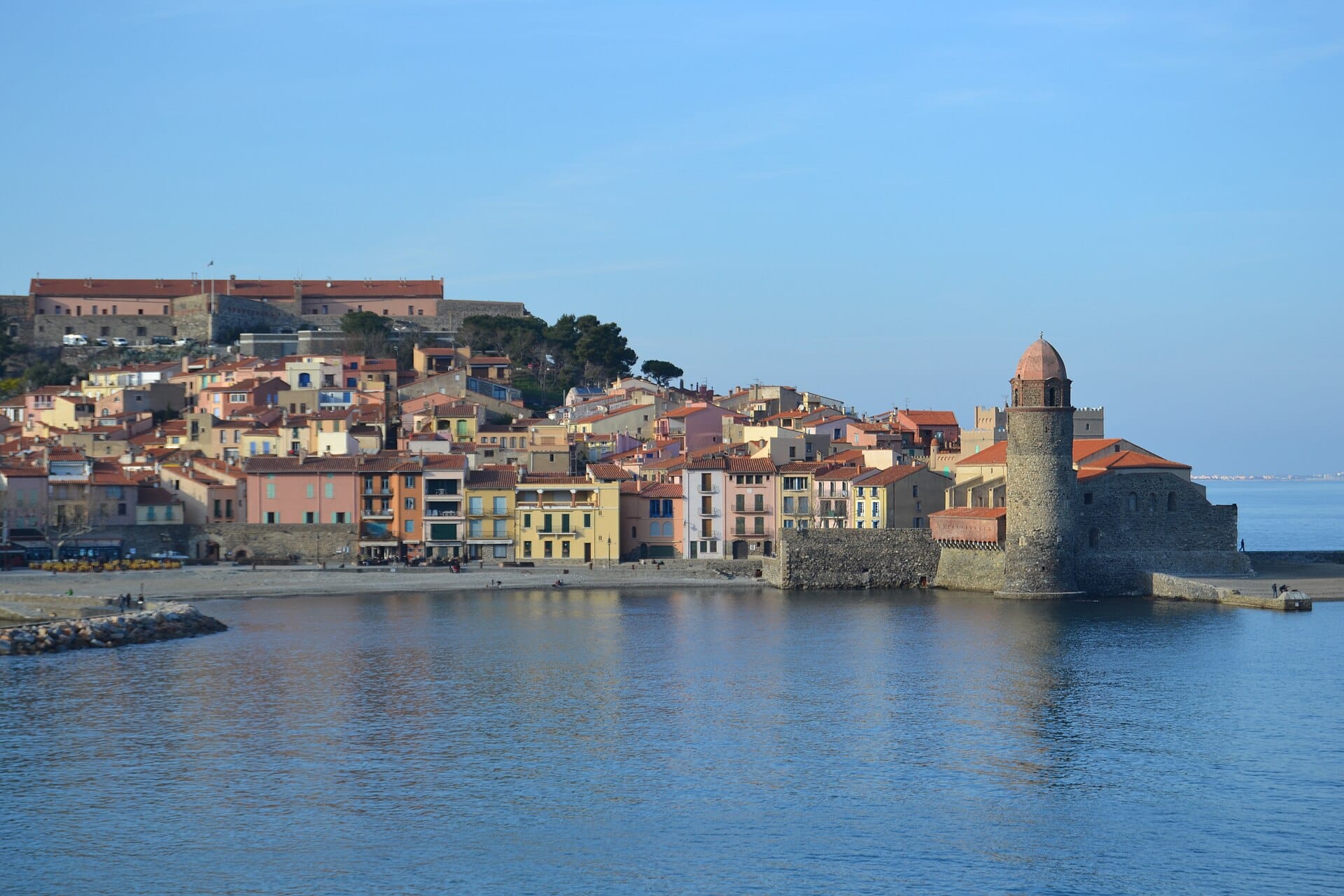
Collioure
France · 31km away →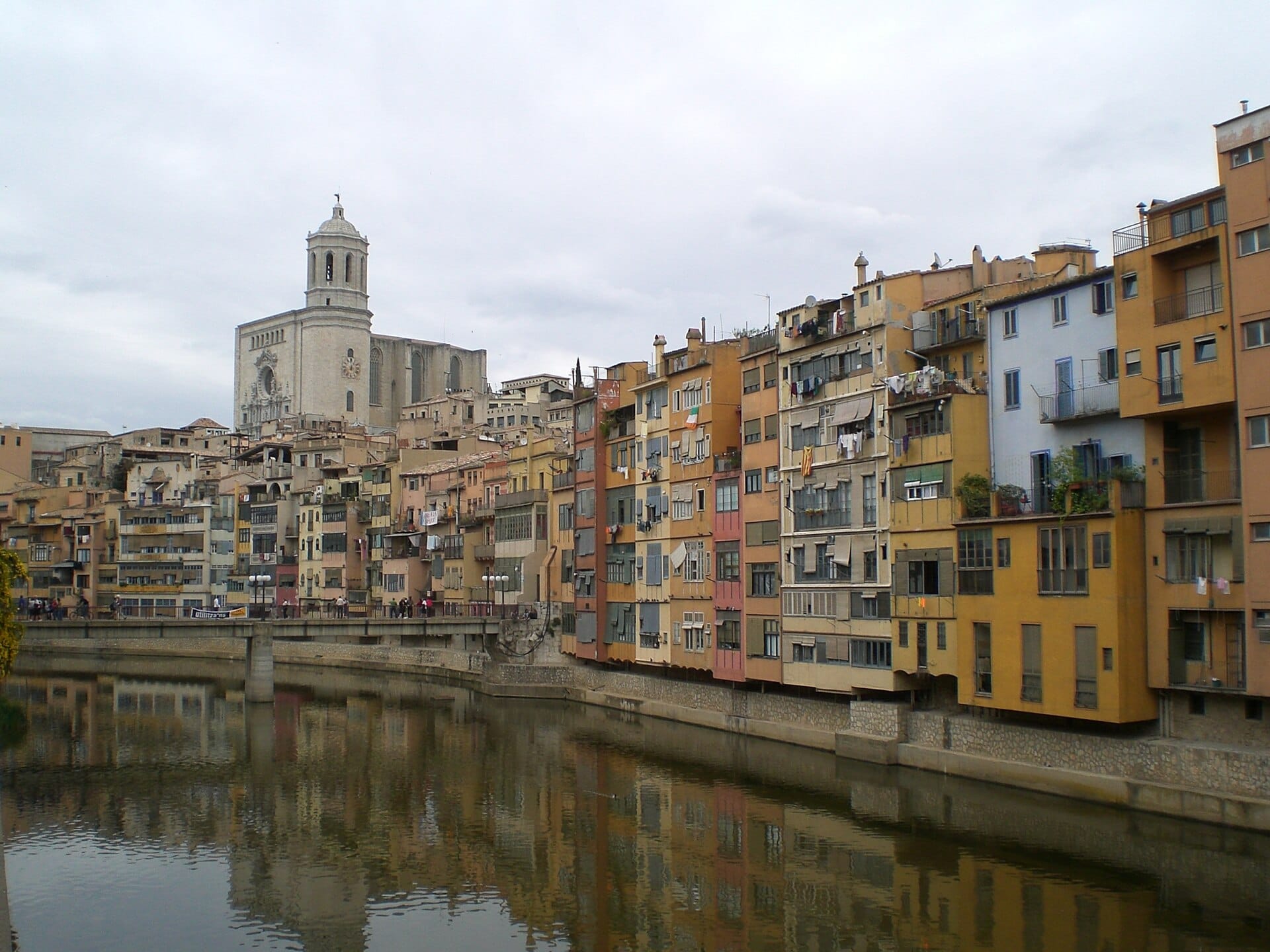
Girona
Spain · 51km away →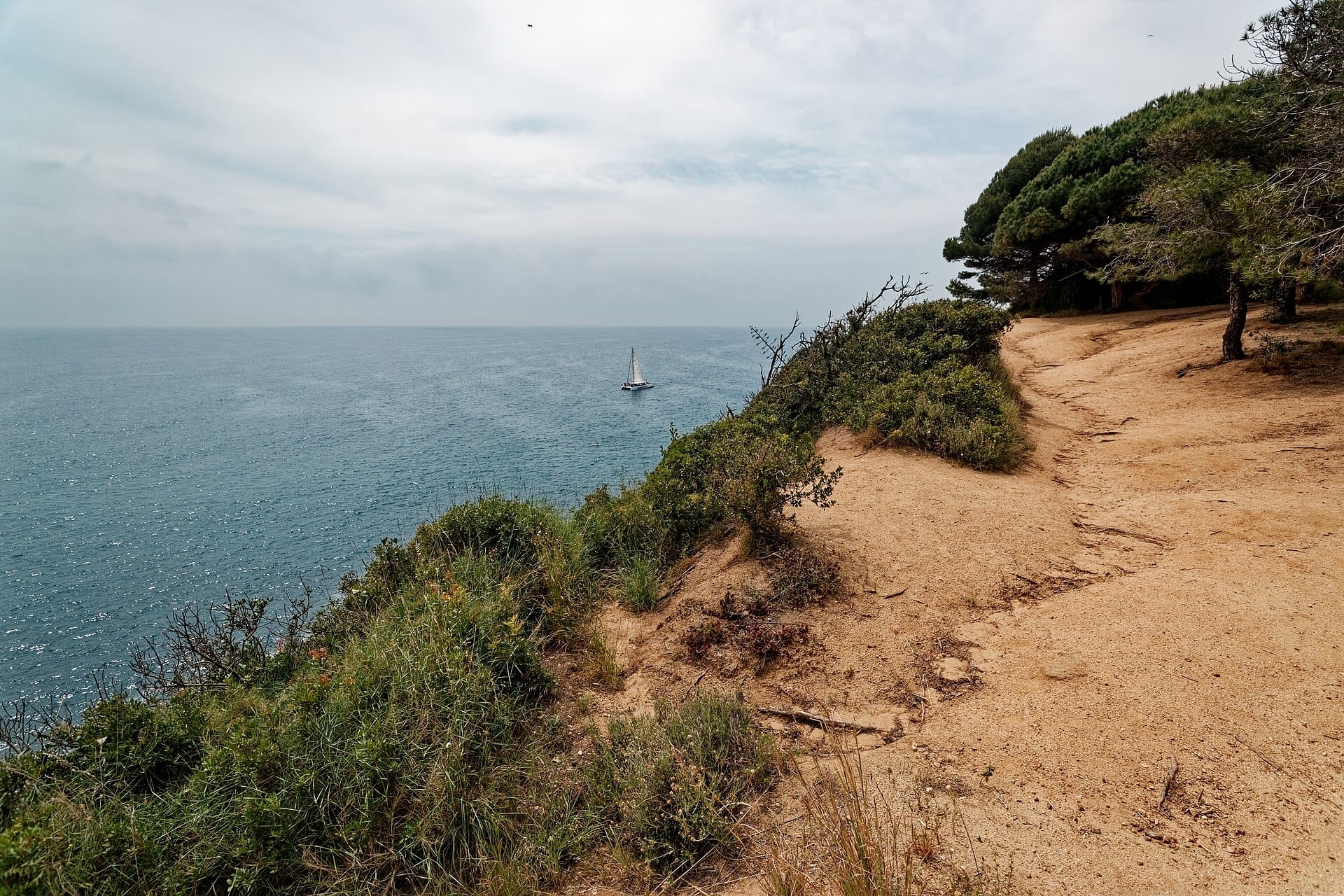
Costa Brava
Spain · 71km away →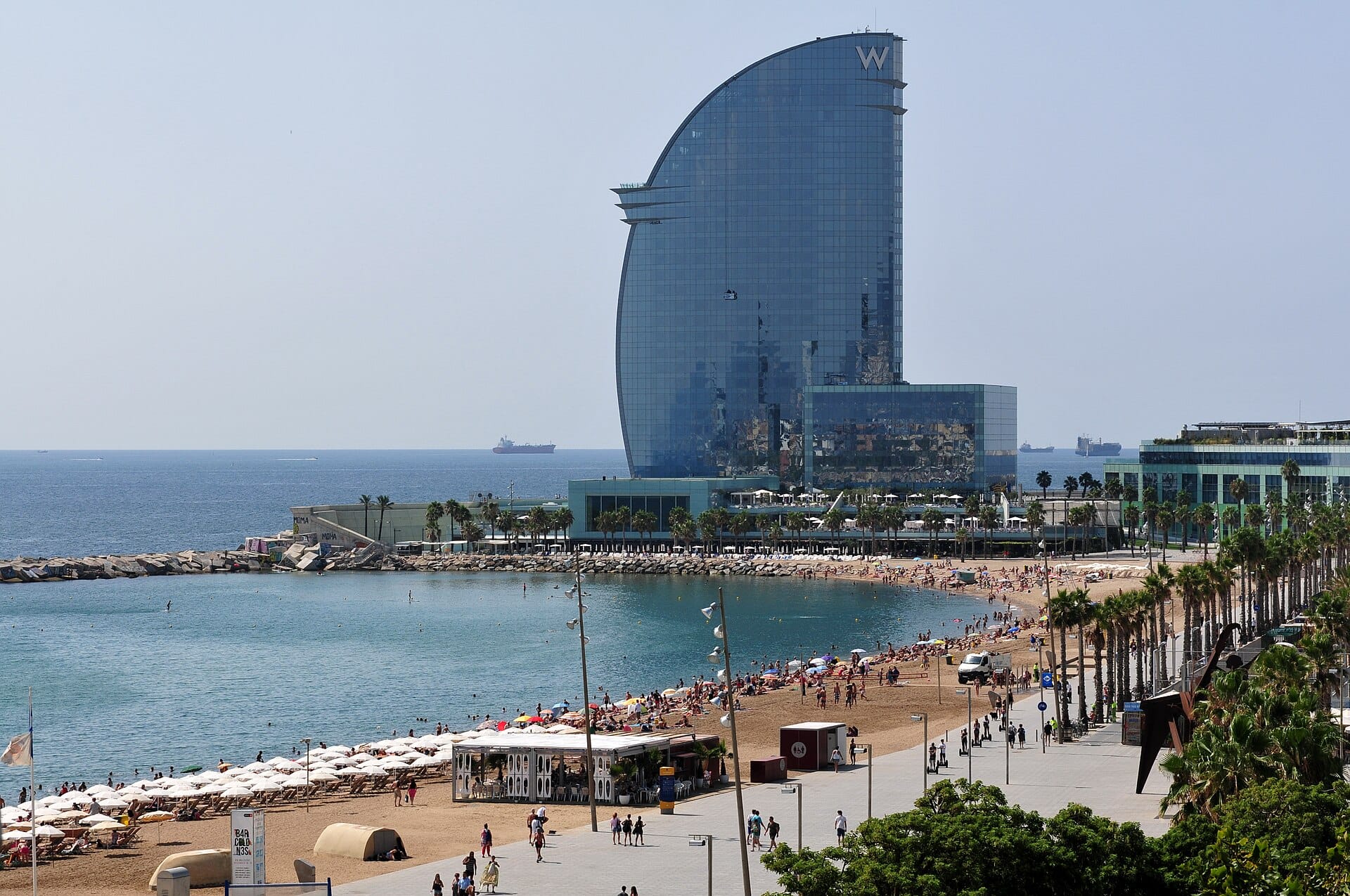
Barcelona
Spain · 136km away →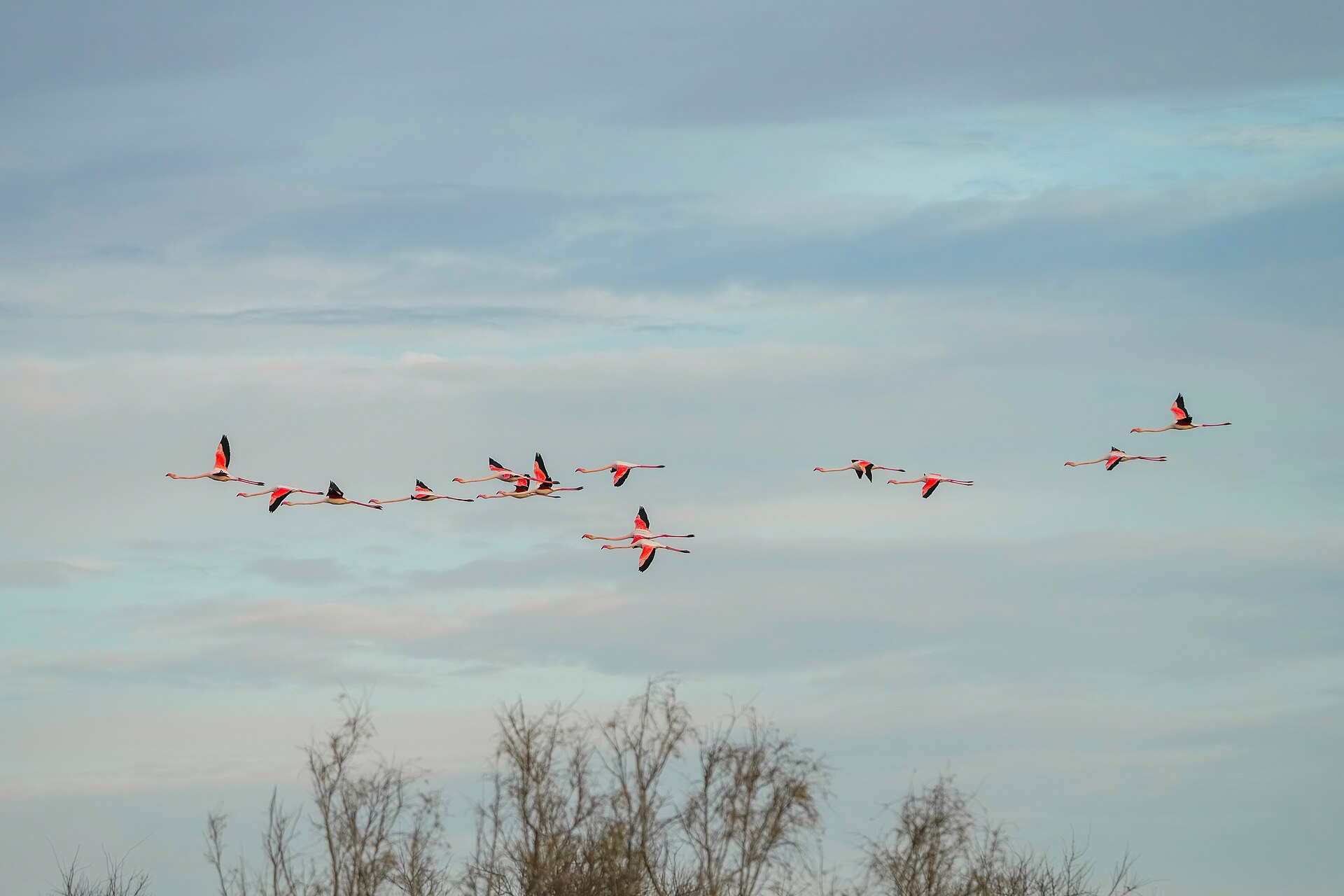
Flamingos in the Camargue
France · 160km away →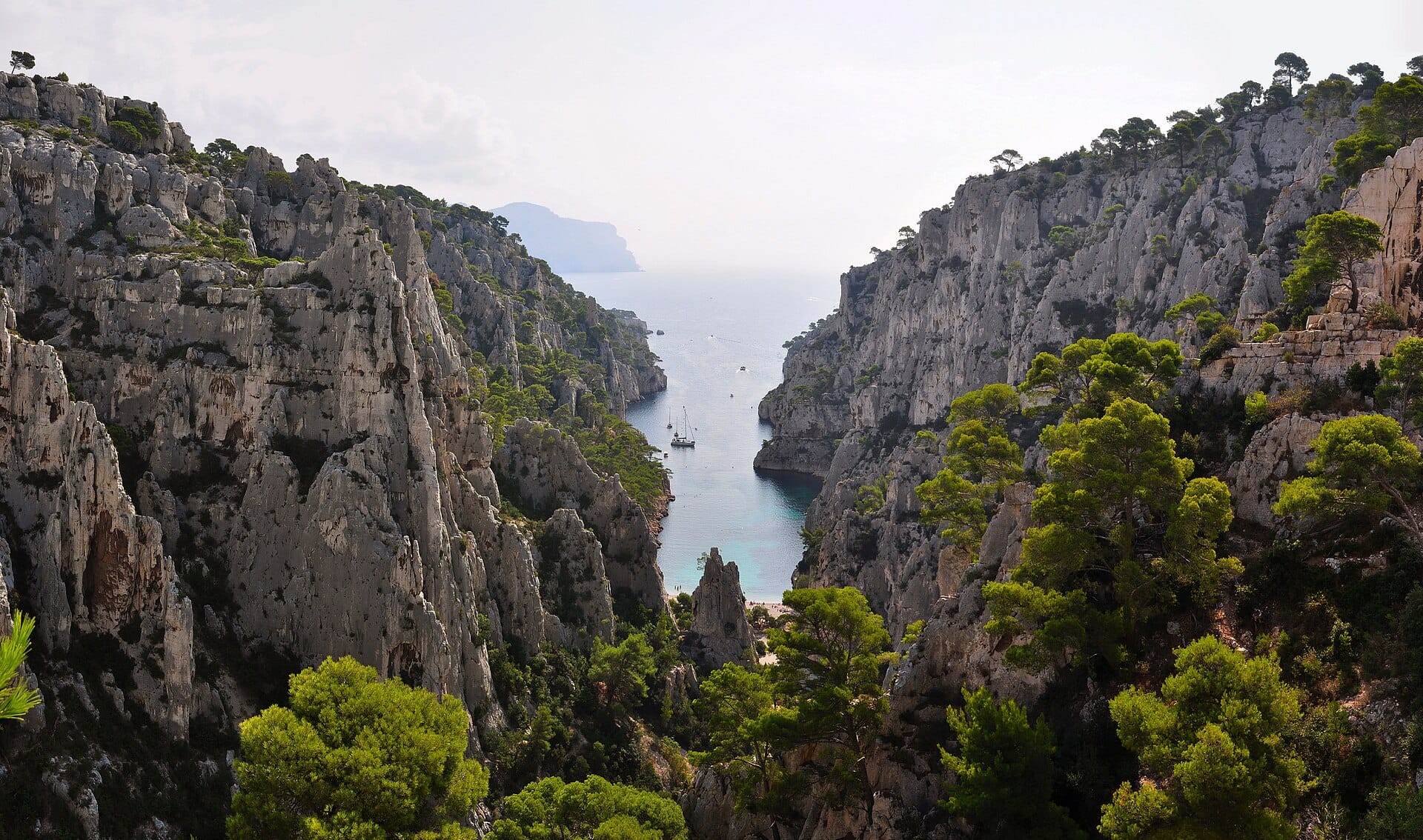
Calanque d'En-Vau
Cassis, France · 212km away →Elsewhere in Spain
Related articles
Quick answers
When is the best time to visit Cadaqués?
For warm, mostly dry days, June to August. That means highs of 20–34°C with rain on six days a month or fewer. Daytime highs run from about 12°C in January to 28°C in July. Driest in July and August; wettest in November, with rain on about 9 days. The sea is warmest in August at around 25°C, coolest at 13°C.
How long should I spend in Cadaqués?
Our suggestion: 2–3 nights.
How do I get to Cadaqués?
About an hour and a half by car from Perpignan (PGF), south across the border and then over the twisting mountain road from Roses. Many visitors fly to Barcelona or Girona instead and drive up the coast.
Do I need a car in Cadaqués?
Yes, a car makes a real difference here. A handful of coaches run from Figueres and Barcelona, but the service is slow and thins right out in winter.
What currency and language are used in Cadaqués?
Currency: Euro (EUR). Language: Spanish. Plugs: type C and F.
Who is Cadaqués best for?
Best for couples, culture seekers and photographers. In a phrase: white, windswept, artily bohemian.