
Brittany
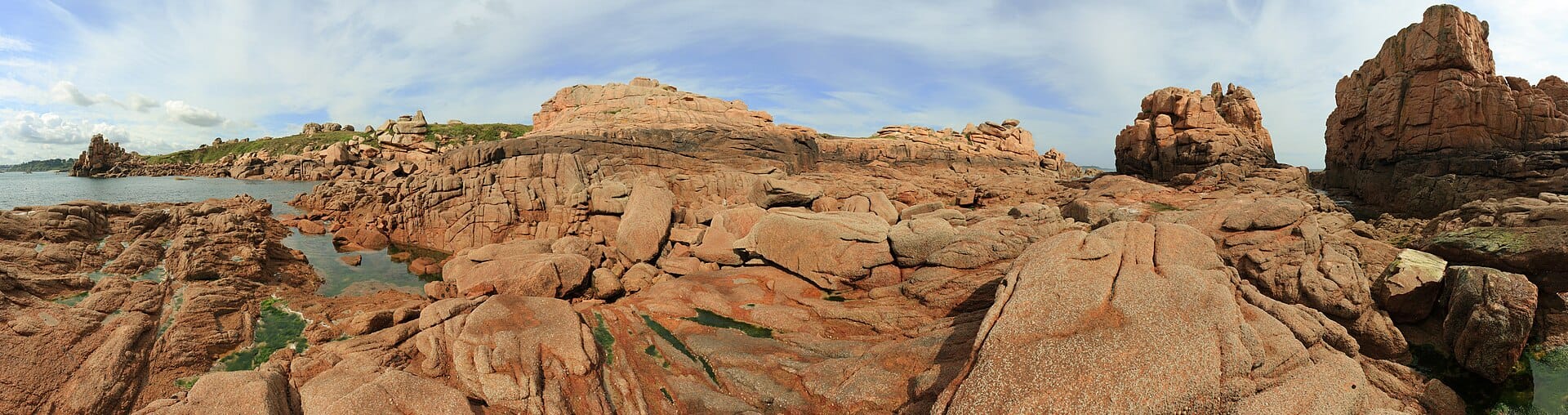
A ferry ride away, Brittany does old-fashioned bucket-and-spade brilliance: enormous sandy bays, tidal islands to walk to, crêpes at every turn and the extraordinary pink granite coast around Ploumanac'h.
- Best forFamilies · Walkers & hikers · Road-trippers
- In March12°C · 14 rainy days
- Ideal stayA week or more
- Approx. flying time~11h 15m from Los Angeles
- CurrencyEUREuro
- LanguageFrench
- Local time12:131h ahead of the UK
- PlugsType C / EBring an adapter
- Drive on theRightOpposite to the UK
- Dialling code+33
Why go
A long, deeply indented coastline of sandy bays, granite headlands and tidal islands, with a cooler, wetter climate than the Mediterranean and a strong Celtic identity to match. Tides are enormous, reshaping the beaches twice a day and leaving rock pools that keep children busy for hours. Inland is farmland, forest and small grey-stone towns that feel a long way from the coast.
It is one of the easiest parts of France to reach by ferry with a car, and that shapes how people travel: campsites, gîtes and a slow loop of the coast rather than a single base. July and August are busy and warm, June and September quieter and still workable. Anyone counting on reliable heat should go a good deal further south.
- Ideal stay
- A week or more
- The vibe
- Breezy, green, bucket-and-spade
From our guides
Sailing schools take beginners from about age eight, and Saint-Malo's pirate ramparts fire imaginations. Campsites here are an art form — many have pools that outdo hotels.
Featured in Ten family holiday destinations in Europe, from toddlers to teens
Things to do
-
Saint-Malo
A walled corsair port rebuilt after the war, with ramparts you can walk right round and a tidal seawater swimming pool below the town beach.
-
The pink granite coast
Around Ploumanac'h, weathered rose-coloured boulders pile up along a coastal path that is short, level and easy walking for almost any age.
-
Mont Saint-Michel
Just over the border in Normandy but usually visited from here, an abbey on a tidal island approached by causeway, with the largest tides in Europe.
-
Crêpes and galettes
Savoury buckwheat galettes followed by sweet crêpes, washed down with cider drunk from a bowl. It is the regional meal, served everywhere.
-
Carnac stones
Thousands of neolithic standing stones in long alignments across the fields, older than the pyramids and viewable from the paths year round.
-
Belle-Île and the Morbihan
Island hopping by ferry from Quiberon and Vannes, with sheltered water in the gulf and good, flat cycling once you are on the islands.
Getting there
-
Fly to
Saint-Jacques-de-la-Lande, Ille-et-Vilaine (RNS)
Nearest airport to Brittany, about 91km away as the crow flies.
-
Then
To Vannes
About an hour by car east from Lorient (LRT) along the N165 to Vannes. Many British visitors instead arrive by ferry to Saint-Malo or Roscoff and drive from there.
-
On the ground
Getting around
Brittany is a driving region: the beaches, the tidal islands and the pink granite coast are spread over a long shoreline. Ferries link Vannes and Quiberon with the Golfe du Morbihan islands.
Public transport: TGV and regional trains connect the main towns well, but the coast and campsites really need a car.
Flights
Los Angeles Brittany, France
Fly from anywhere — search 4,000+ airports worldwide.
Roughly 11h 15m in the air from Los Angeles (LAX), estimated from the distance — check for a direct route. Pick a month to see every available flight with live prices.
Check dates and prices
Pick your departure date, then your return.
Search flightsNot sure when? Compare fares across a whole month.
Flight times are estimates; prices open on Google Flights.
When to go
Daytime highs run from about 8°C in January to 22°C in August. Driest in July and August; wettest in March, with rain on about 14 days.
The year at a glance — pick a month for detail
March12° · rain 14 daysCool and often wet.
Monthly figures averaged from daily records for 2020–2024 at this location (ERA5 reanalysis). Live conditions from MET Norway, CC BY 4.0.
Where to stay
Campsites and holiday parks on an industrial scale, gites and self-catering houses inland, plus small seafront hotels and chambres d'hotes. Few large chain resorts.
-
Best base overall
Vannes
A walled medieval town on the Gulf of Morbihan, with a marina, boats to the islands and enough restaurants to keep a week interesting. Beaches are a short drive rather than on the doorstep.
Find stays in Vannes -
Best with children
Saint-Malo
Ramparts to run around, a huge tidal beach, a ferry port for arrivals from England and an aquarium for grey days. Intra-muros hotels are small and the walled town gets very crowded in August.
Find stays in Saint-Malo -
Best for couples
Perros-Guirec and Ploumanac'h
The pink granite coast at its most theatrical, with the coastal path starting from the town. It is a long way from the southern beaches, so pick one coast per trip.
Find stays in Perros-Guirec and Ploumanac'h -
Best value
Carnac
Standing stones, long sandy beaches and an enormous concentration of campsites and holiday parks that undercut hotels considerably. Out of season much of it is shuttered.
Find stays in Carnac
Worth knowing before you book: French school holidays in July and August fill the coast, and most gites and campsite pitches run Saturday to Saturday with a week minimum in high season.
Search everything else in Vannes by budget. These are indicative budget bands in GBP per night for two people, not live quotes or guarantees of hotel type. Check your dates, guests, taxes and final price on Booking.com.
Good to know
- Tides
- The tidal range is among the largest in Europe. Check the times before walking to any tidal island or out across open sand.
- Getting there
- Ferries run from Portsmouth and Plymouth to Saint-Malo and Roscoff, which lets you bring your own car and all the beach kit with it.
- Weather
- Rain arrives fast and usually passes. Pack waterproofs even in August and avoid planning the whole trip around sunshine.
- Book ahead
- Coastal campsites and gîtes fill for July and August months in advance, and ferry crossings with a car go even earlier.
- Water safety
- Atlantic beaches have real currents. Swim between the flags on the beaches that are patrolled through the summer season.
Similar places
Nearby destinations
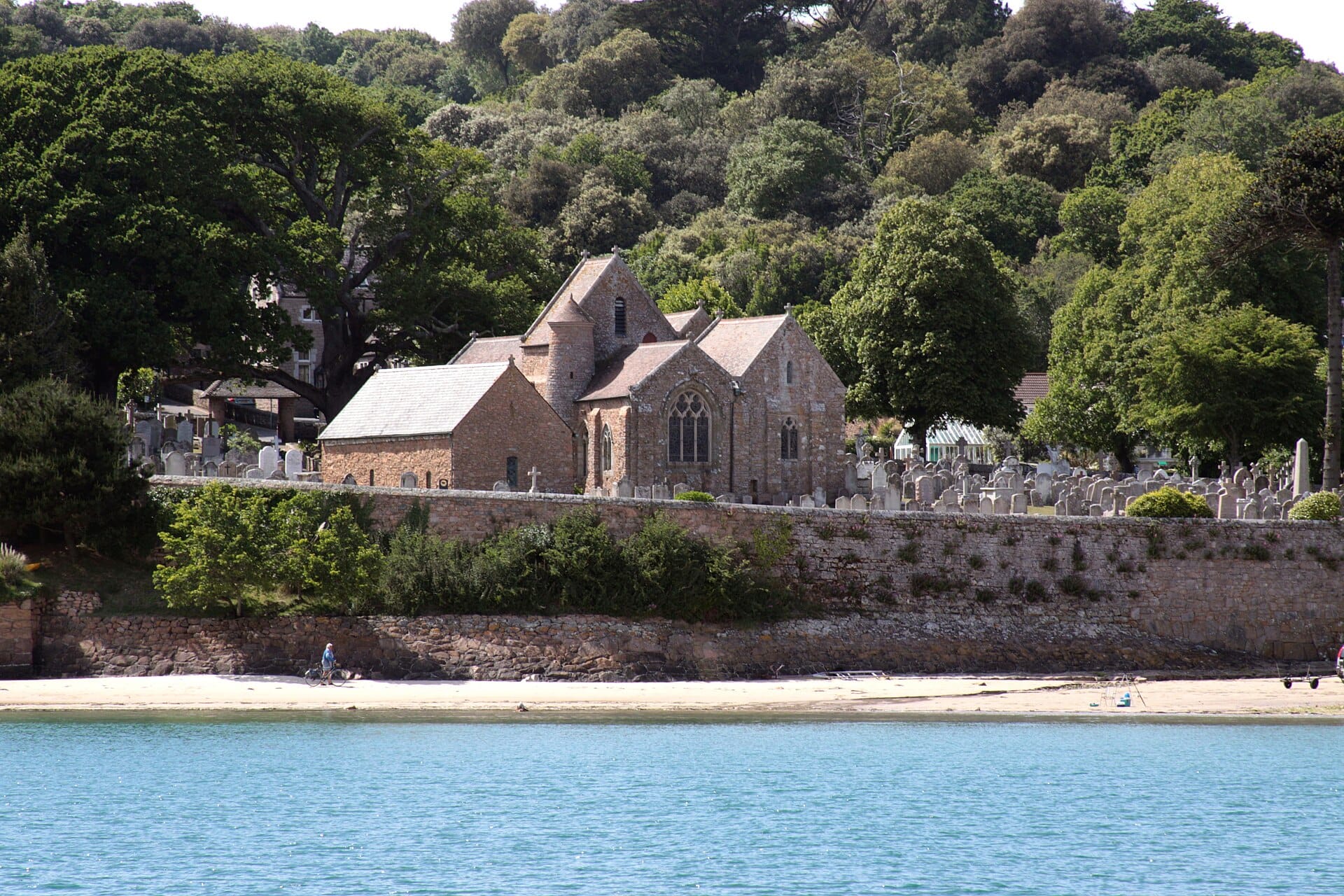
St Brelade's Bay
Jersey · 115km away →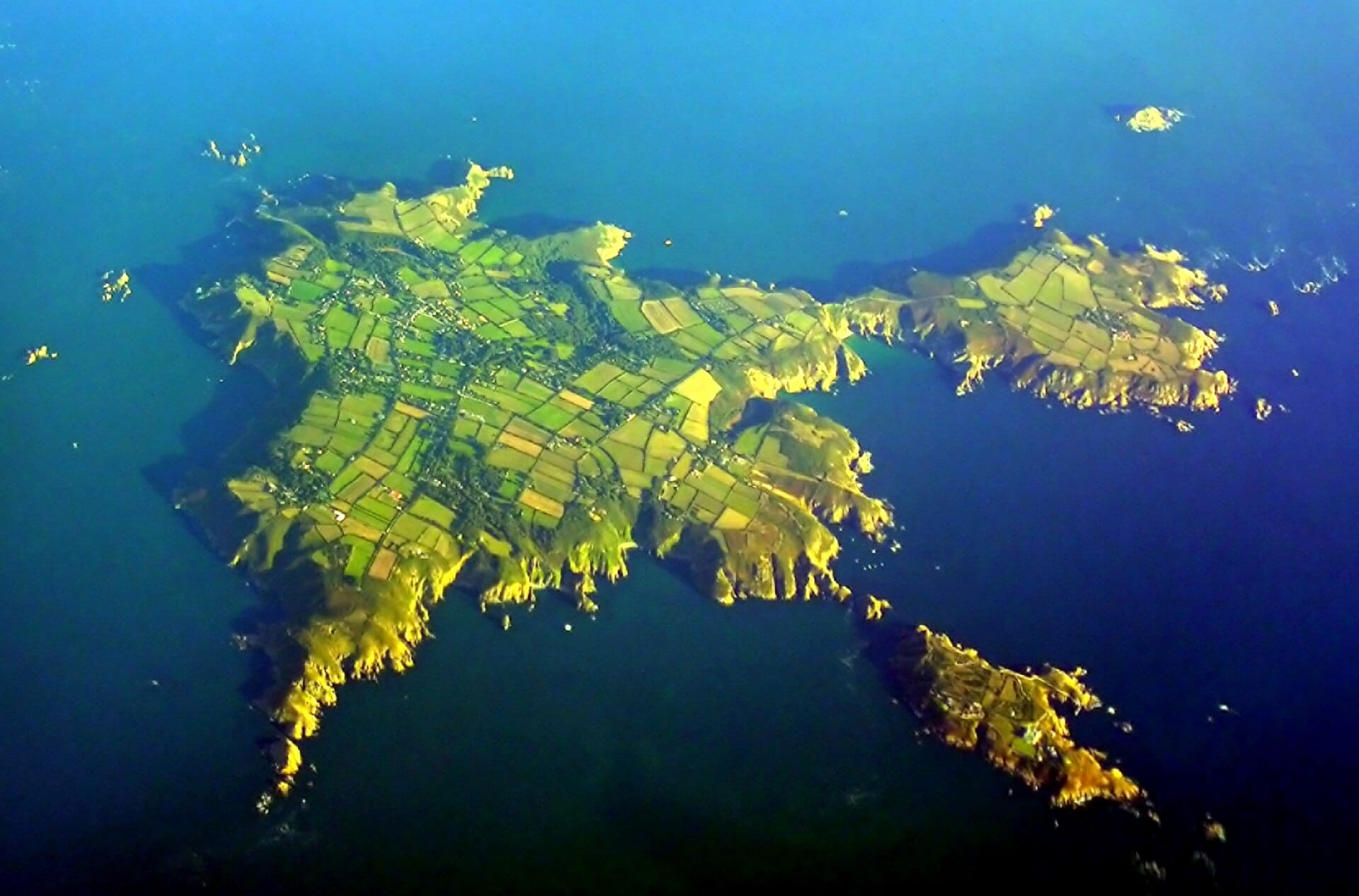
Sark
Channel Islands · 137km away →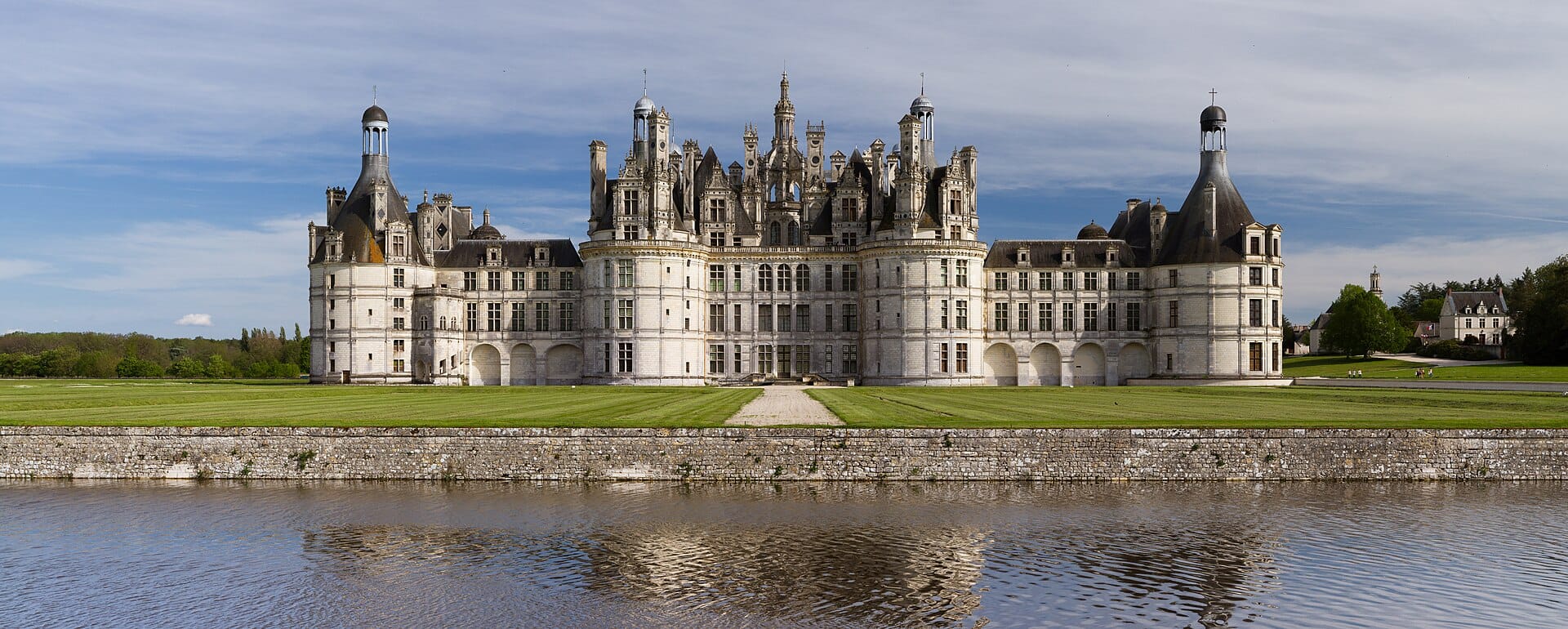
The Loire Valley
France · 212km away →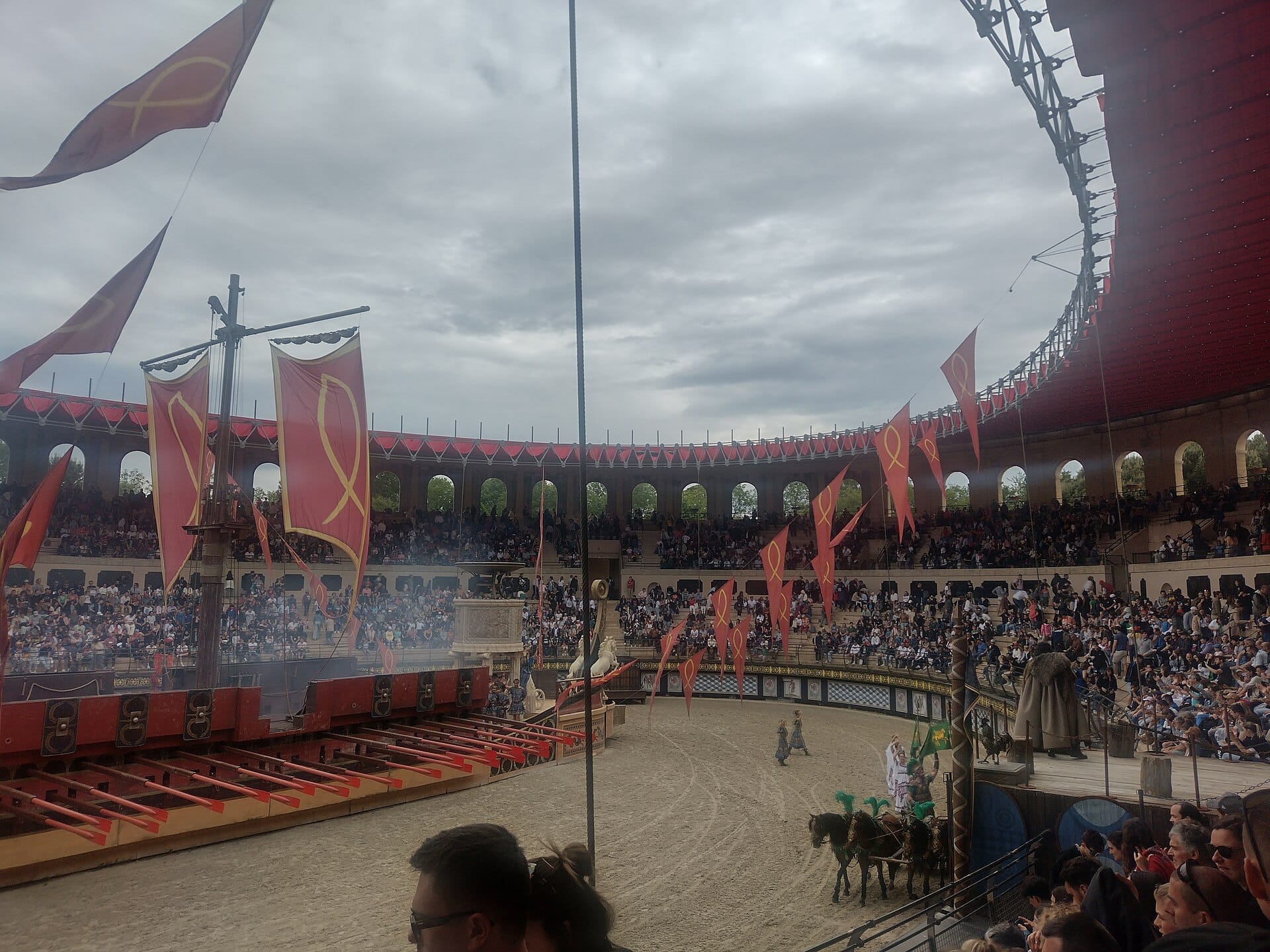
Puy du Fou
France · 214km away →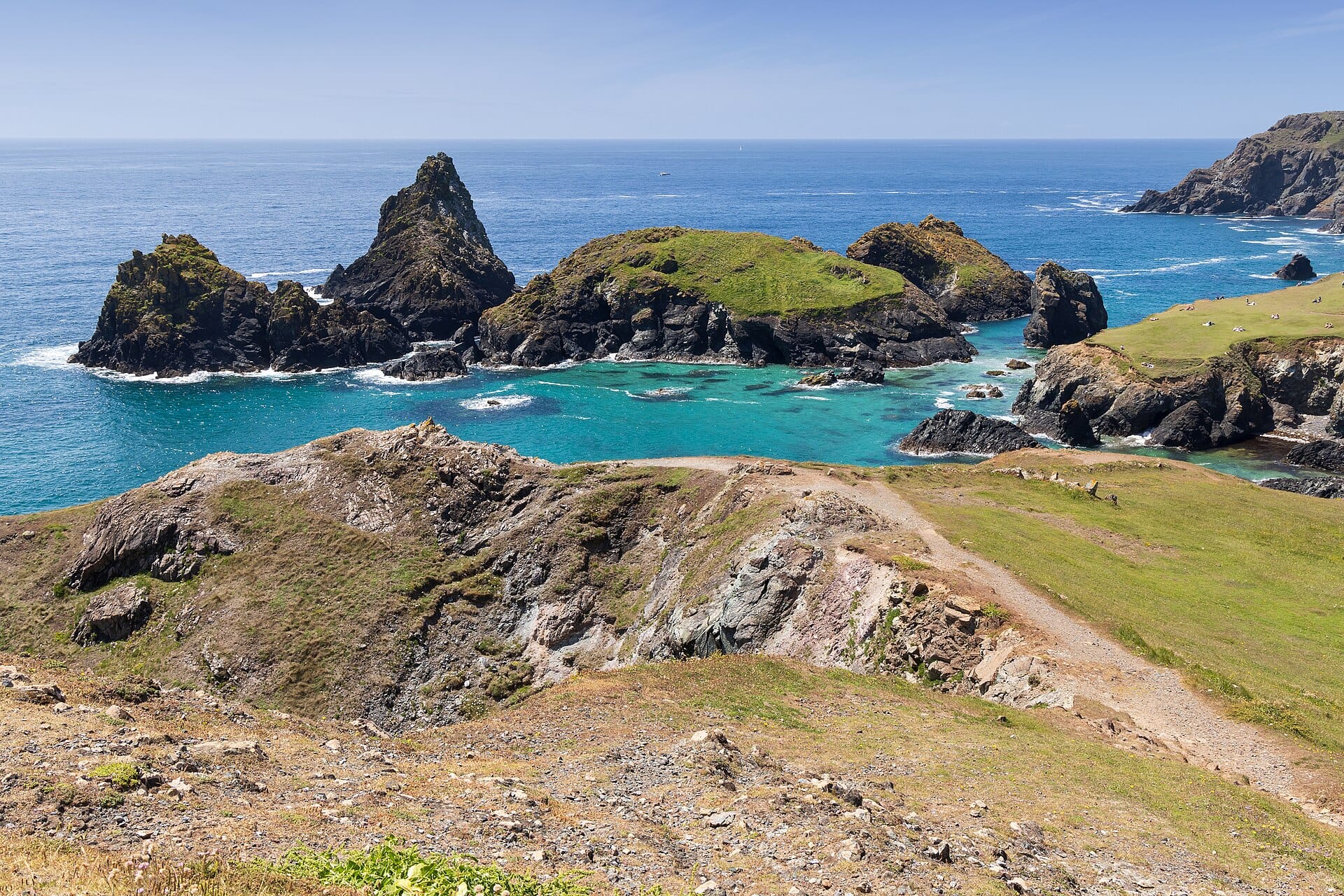
Kynance Cove
Cornwall, England · 254km away →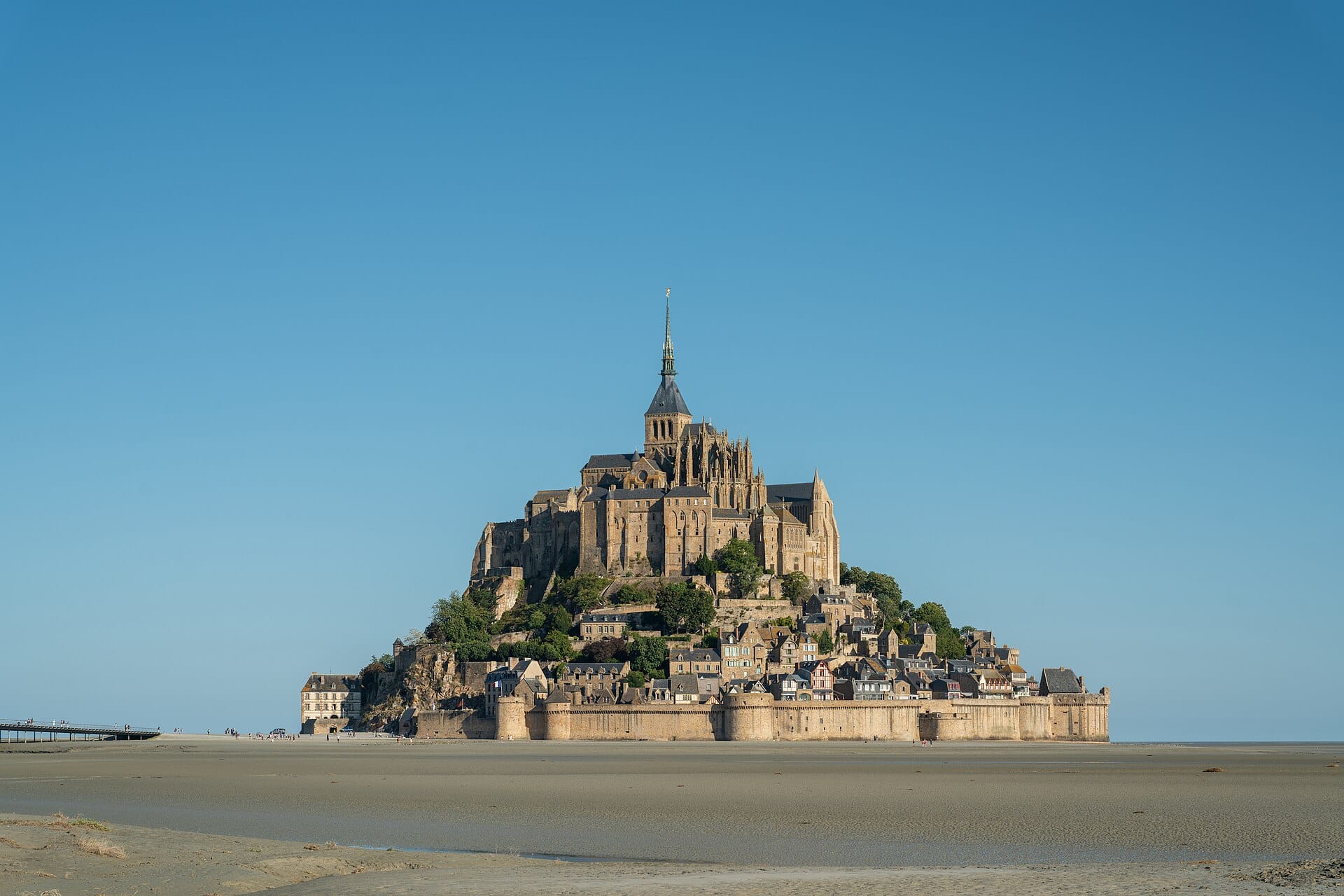
Normandy
France · 254km away →Elsewhere in France
Related articles
Quick answers
When is the best time to visit Brittany?
Daytime highs run from about 8°C in January to 22°C in August. Driest in July and August; wettest in March, with rain on about 14 days.
How long should I spend in Brittany?
Our suggestion: a week or more.
How do I get to Brittany?
About an hour by car east from Lorient (LRT) along the N165 to Vannes. Many British visitors instead arrive by ferry to Saint-Malo or Roscoff and drive from there.
Do I need a car in Brittany?
Yes, a car makes a real difference here. TGV and regional trains connect the main towns well, but the coast and campsites really need a car.
What currency and language are used in Brittany?
Currency: Euro (EUR). Language: French. Plugs: type C and E.
Who is Brittany best for?
Best for families, walkers & hikers and road-trippers. In a phrase: breezy, green, bucket-and-spade.