
Basse-Terre
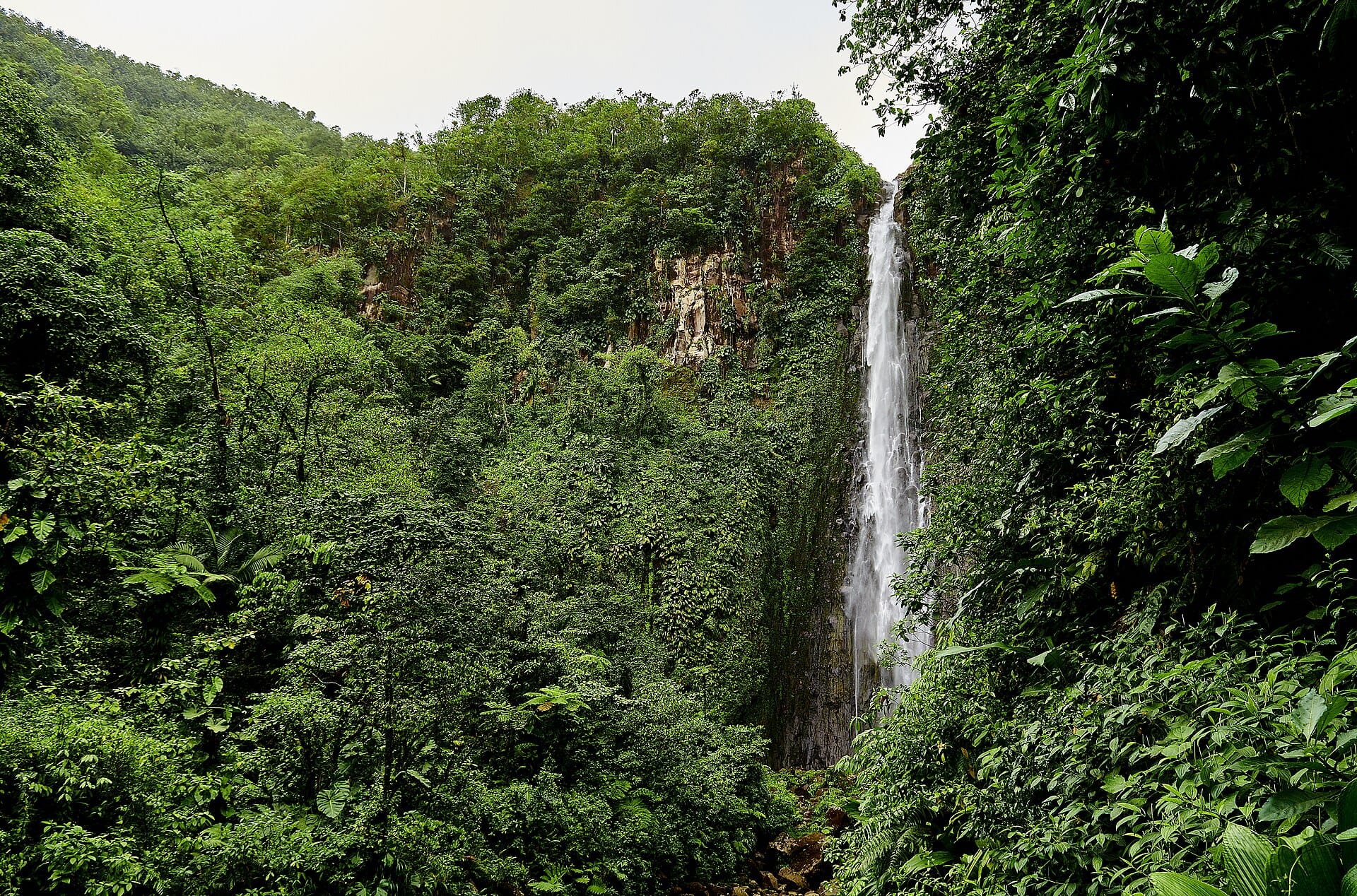
Guadeloupe's butterfly shape splits the work neatly: Grande-Terre does the beaches while mountainous Basse-Terre handles the jungle, with the smoking Soufrière volcano, the triple-tiered Carbet Falls and a national park laced with swimmable pools.
- Best forWalkers & hikers · Wildlife & nature · Divers & snorkellers
- In September30°C · 21 rainy days · sea 31°C
- Ideal stay7–10 nights
- Approx. flying time~7h 40m from Los Angeles
- CurrencyEUREuro
- LanguageFrench
- Local time06:115h behind the UK
- PlugsType C / EBring an adapter
- Drive on theRightOpposite to the UK
- Dialling code+590
Why go
The western wing of Guadeloupe's butterfly is the mountainous, forested half, dominated by the steaming Soufrière volcano and a national park of waterfalls, river pools and dense rainforest. Beaches here are dark volcanic sand rather than white, the villages are small and French, and the main activity is walking, swimming under falls and eating extremely well for a Caribbean island.
A week to ten days, ideally combined with flatter Grande-Terre for the pale beaches. This is a French département, so euros, EU roaming and French road rules apply, and the food reflects it. December to May is the driest window; the wetter months bring cloud onto the peaks and the hurricane season runs to November. A hire car is effectively compulsory, as bus timetables are notional.
- Ideal stay
- 7–10 nights
- The vibe
- Green, volcanic, quietly French
From our guides
Offshore, the Cousteau Reserve at Pigeon Island offers the French Caribbean's best snorkelling. It's a département of France, so euros work and the cheese is serious. December to May is driest; hire a car, since buses respect nobody's itinerary.
Featured in Ten lush rainforest-and-reef escapes for nature lovers
Things to do
-
La Soufrière
An active 1,467-metre volcano climbed in around two hours from the Savane à Mulets car park, through sulphur vents and cloud. Views come and go, so start early.
-
Carbet Falls
Three waterfalls on the volcano's eastern flank, the second the most accessible at around 110 metres. Access can close after heavy rain or seismic activity.
-
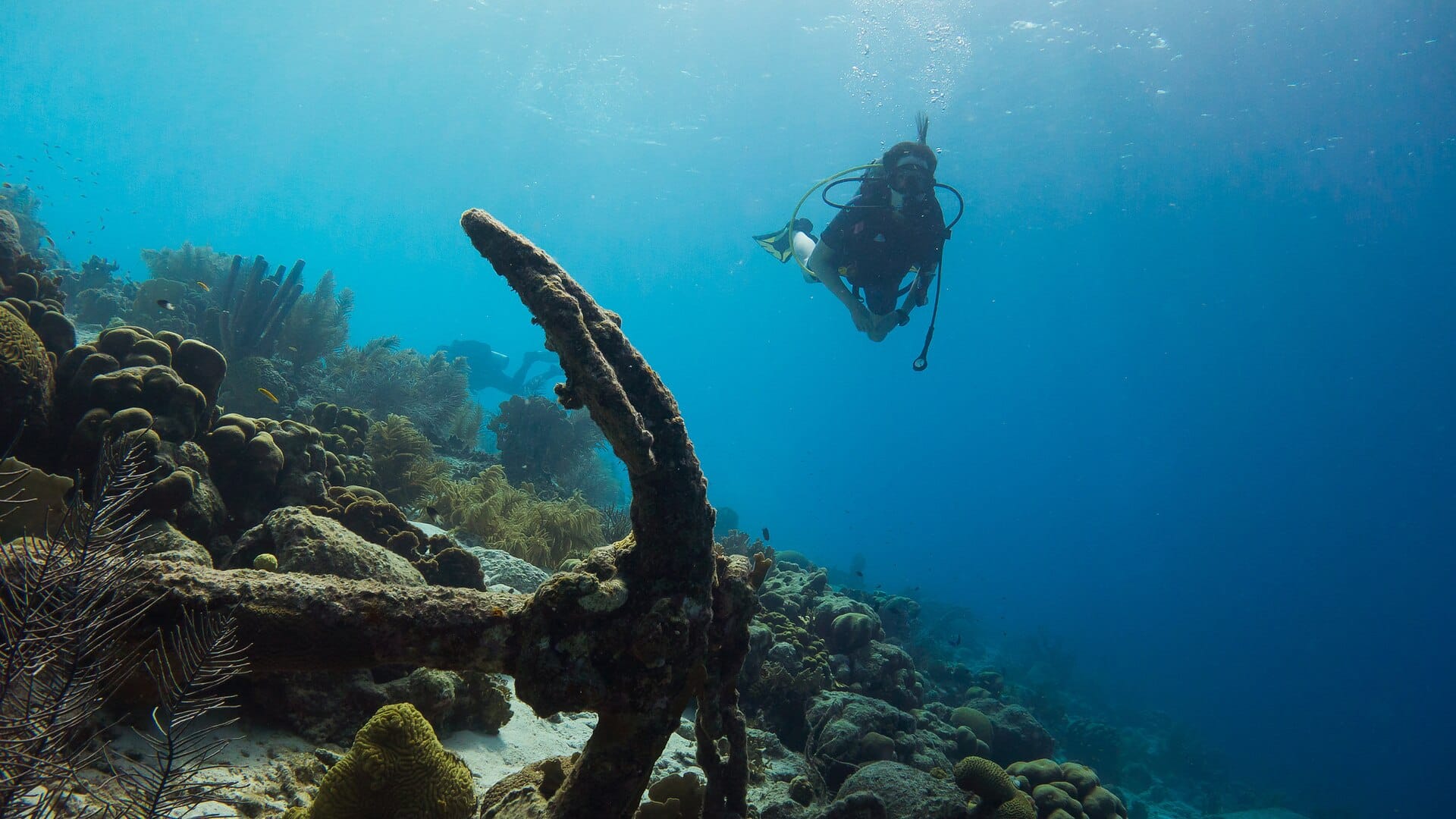
Cousteau Reserve
A protected marine zone off Pigeon Island with easy snorkelling and diving over coral and turtles, reached by glass-bottomed boat or dive operator from Malendure beach.
-
Route de la Traversée
The road crossing the national park, with trailheads, the Cascade aux Écrevisses and forest walks a few minutes from the tarmac. The best half-day if time is short.
-
Plage de Grande Anse
A long stretch of golden sand near Deshaies backed by cliffs and palms, unusual on this coast. Currents can be strong, so swim in the sheltered section.
-
Les Saintes
A small archipelago reached by ferry, with a sheltered bay, a hilltop fort and pastel houses. Doable as a long day trip or an overnight.
Getting there
-
Fly to
Pointe-à-Pitre (PTP)
Nearest airport to Basse-Terre, about 36km away as the crow flies.
-
Then
To Basse-Terre
Most flights land at Pointe-à-Pitre on Grande-Terre, about an hour and a quarter by car down the west coast. Basse-Terre's own small airfield (BBR) handles little traffic.
-
On the ground
Getting around
The volcano trailheads, Carbet Falls and the Cousteau Reserve at Pigeon are spread along winding mountain and coast roads, so you drive between them; the reserve is snorkelled from boats out of Malendure beach.
Public transport: Buses run along the main coast roads but infrequently and rarely to trailheads, so a hire car is the standard advice.
Flights
Los Angeles Basse-Terre, Guadeloupe
Fly from anywhere — search 4,000+ airports worldwide.
Roughly 7h 40m in the air from Los Angeles (LAX), estimated from the distance — check for a direct route. Pick a month to see every available flight with live prices.
Check dates and prices
Pick your departure date, then your return.
Search flightsNot sure when? Compare fares across a whole month.
Flight times are estimates; prices open on Google Flights.
When to go
Daytime highs run from about 27°C in January to 30°C in September. Driest in May; wettest in July, with rain on about 21 days. The sea is warmest in September at around 31°C, coolest at 27°C.
The year at a glance — pick a month for detail
September30° · rain 21 days · sea 31°Hot and often wet.
Monthly figures averaged from daily records for 2020–2024 at this location (ERA5 reanalysis). Live conditions from MET Norway, CC BY 4.0.
Where to stay
Gîtes, small créole guesthouses and villas rather than resorts, with the bigger hotels over on Grande-Terre. It is French territory, so euros, bakeries and self-catering.
-
Best base overall
Deshaies
A pretty fishing village on the north-west coast, close to Grande Anse beach and the botanical garden, with the best restaurant choice on the island's western side. It is a long drive from the airport.
Find stays in Deshaies -
Closest to the sights
Bouillante and Pigeon
Right by the Cousteau Reserve, so dive and snorkel boats leave from the beach. The village is workaday and options for dinner are thin.
Find stays in Bouillante and Pigeon -
Best value
Sainte-Rose and Pointe-Noire
Northern villages with gîtes and small guesthouses at local prices. Fewer beaches, and you drive to the good ones.
Find stays in Sainte-Rose and Pointe-Noire -
Best with children
Le Gosier, Grande-Terre
Across the bridge on the flat half of the island, with calm lagoon beaches, hotels and the airport nearby. About an hour from the volcano and the falls.
Find stays in Le Gosier, Grande-Terre
Worth knowing before you book: Hire a car before you arrive, since buses are unreliable and the sights are spread out. December to May is driest, and February carnival fills accommodation.
Search everything else in Basse-Terre by budget. These are indicative budget bands in GBP per night for two people, not live quotes or guarantees of hotel type. Check your dates, guests, taxes and final price on Booking.com.
Good to know
- Driving
- You need a car, and roads are winding, steep and often wet. French rules apply, fuel is easy to find on the coast and less so in the interior.
- Language
- French is the working language, with Creole spoken everywhere. English is limited outside the main resorts, so a phrasebook earns its keep.
- Timing
- Rain is common on the mountainous side even in dry season, and afternoons cloud over. Do summits and viewpoints in the morning.
- Pack this
- Proper walking shoes with grip and a light waterproof. Trails here are muddy, rooty and steep rather than manicured.
- Cash or card
- Euros, and cards work widely. Small beach shacks and market stalls take cash only, and ATMs thin out away from the larger towns.
Similar places
Nearby destinations
Related articles
Quick answers
When is the best time to visit Basse-Terre?
Daytime highs run from about 27°C in January to 30°C in September. Driest in May; wettest in July, with rain on about 21 days. The sea is warmest in September at around 31°C, coolest at 27°C.
How long should I spend in Basse-Terre?
Our suggestion: 7–10 nights.
How do I get to Basse-Terre?
Most flights land at Pointe-à-Pitre on Grande-Terre, about an hour and a quarter by car down the west coast. Basse-Terre's own small airfield (BBR) handles little traffic.
Do I need a car in Basse-Terre?
Yes, a car makes a real difference here. Buses run along the main coast roads but infrequently and rarely to trailheads, so a hire car is the standard advice.
What currency and language are used in Basse-Terre?
Currency: Euro (EUR). Language: French. Plugs: type C and E.
Who is Basse-Terre best for?
Best for walkers & hikers, wildlife & nature and divers & snorkellers. In a phrase: green, volcanic, quietly French.