
Baía do Sancho
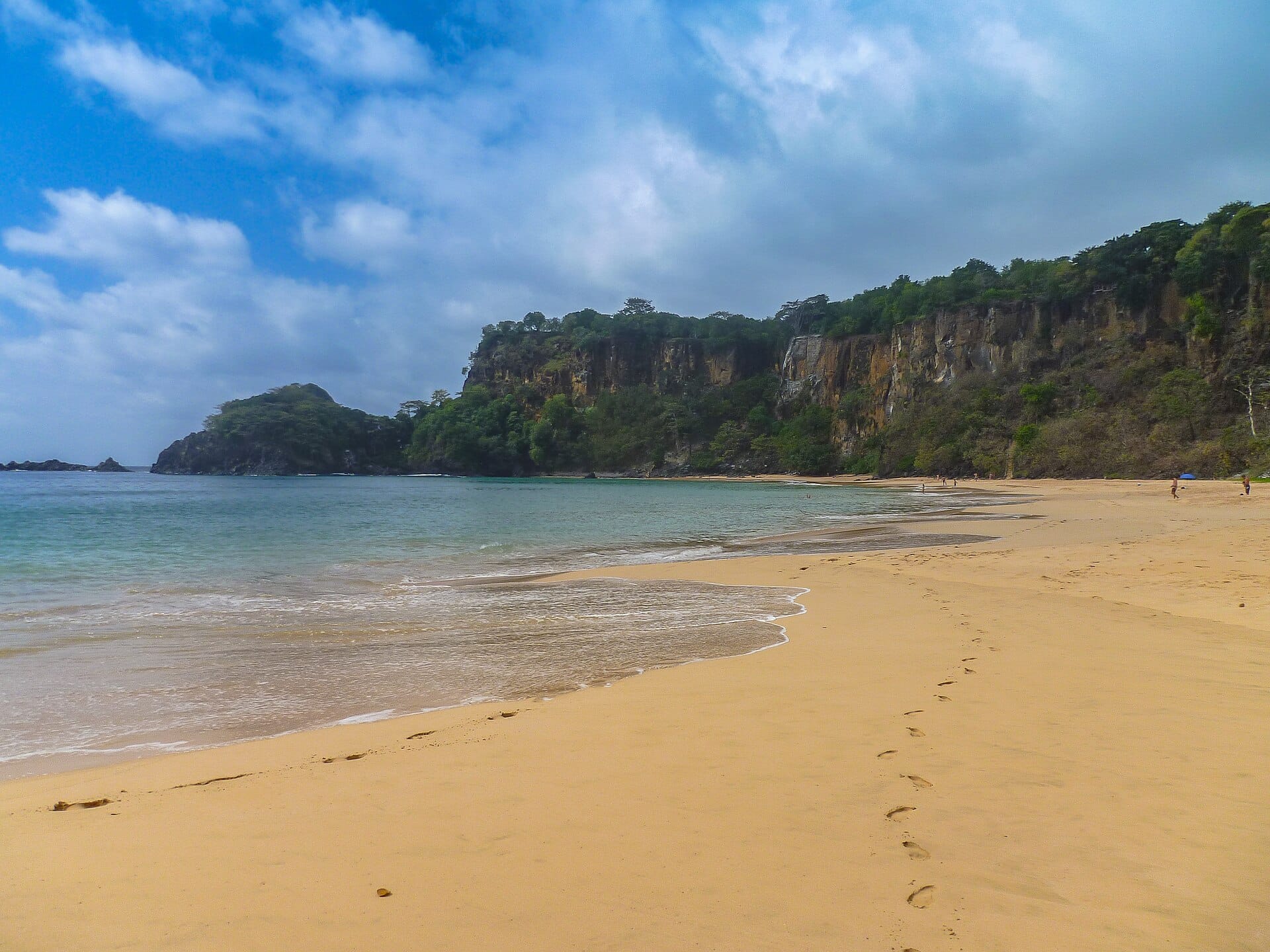
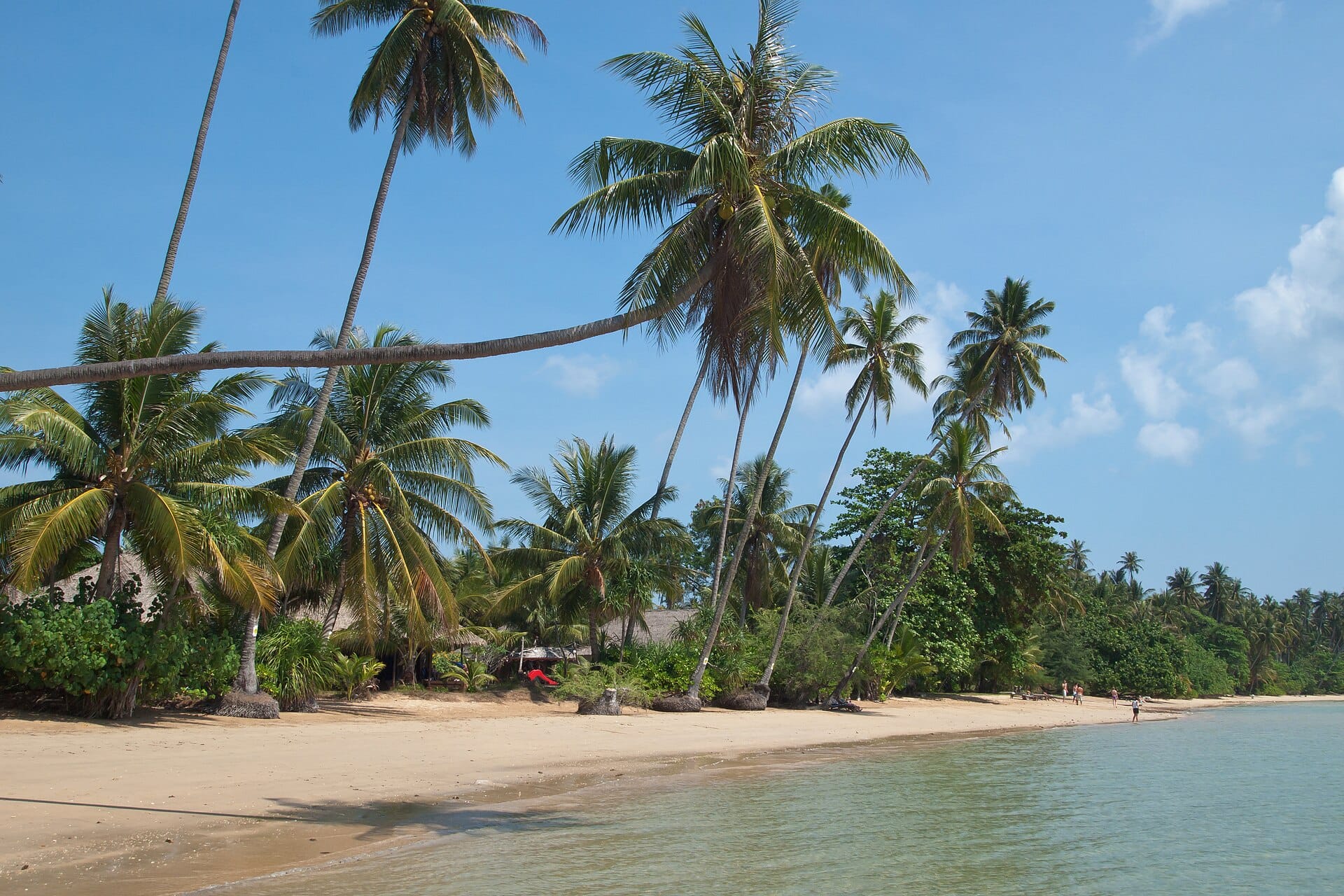
Regularly crowned the best beach on the planet, Sancho is a wall of emerald water and golden sand beneath cliffs on Fernando de Noronha, a volcanic archipelago 350 kilometres off Brazil's north-east coast.
- Best forBeach lovers · Divers & snorkellers · Wildlife & nature
- In October26°C · 9 rainy days · sea 27°C
- Ideal stay4–5 nights
- Approx. flying time~12h 20m from Los Angeles
- CurrencyBRLBrazilian real
- LanguagePortuguese
- Local time07:283h behind the UK
- PlugsType C / NBring an adapter
- Drive on theRightOpposite to the UK
- Dialling code+55
Why go
Cliffs curve around a deep bay of clear green water, and the only way down is a ladder bolted into a fissure in the rock. That awkward descent keeps the sand quiet even in high season. The wider archipelago sits 350 km off Brazil's north-east coast, volcanic, protected and strictly limited in visitor numbers, which is why it still feels unmanaged in the best sense.
Four or five nights lets you reach the far beaches and dive without rushing. Flights arrive from Recife and Natal, and every visitor pays an environmental fee plus a separate national park charge. August to December brings the clearest, calmest water on the sheltered side; the first months of the year are wetter with bigger swell. Costs run high for Brazil, and there is no way around that.
- Ideal stay
- 4–5 nights
- The vibe
- Wild, protected, gloriously remote
From our guides
Access is by ladders bolted into a cleft in the rock, which keeps things unhurried, and spinner dolphins commute past most mornings. Visitor numbers are capped, so book flights and the island's environmental permit well ahead. August to December brings the clearest water.
Featured in Ten far-flung beaches worth the long-haul flight
Things to do
-
The ladder descent
A near-vertical staircase through a cleft in the cliff, single file, with a queue at busy times. Short, dramatic and the reason the sand below stays uncrowded.
-
Baía dos Porcos
A small rocky cove next to Sancho with natural tidal pools and a straight view of the Dois Irmãos sea stacks. Reachable on foot at low tide.
-
Mirante Dois Irmãos
The viewpoint above the twin volcanic pinnacles, and the shot that defines the island. Late afternoon light is the one worth waiting for.
-
Baía dos Golfinhos
A viewing platform overlooking a bay where spinner dolphins gather most mornings. Swimming is not permitted, which is precisely why the animals keep coming.
-
Praia do Atalaia
A shallow tidal pool of extraordinary clarity on the rough eastern shore, entered by timed permit with a guide and a strict limit on time in the water.
-
Diving the archipelago
Warm, clear water with reef sharks, turtles, rays and a wartime wreck. Visibility regularly exceeds 30 metres, and operators run trips for all certification levels.
Getting there
-
Fly to
Fernando de Noronha (FEN)
The airport is on the doorstep.
-
Then
To Vila dos Remédios
Flights from Recife and Natal land at Fernando de Noronha (FEN), a few minutes from the main village by taxi or buggy. An environmental tax and a national park pass must be paid.
-
On the ground
Getting around
A road runs to the clifftop above Sancho, then access is down steep steps and ladders bolted into a crack in the rock. Boat trips reach the bay from the water instead.
Public transport: One island bus runs the length of the main road and buggies are the usual hire; the island is small enough to manage without a car.
Flights
Los Angeles Fernando de Noronha, Brazil
Fly from anywhere — search 4,000+ airports worldwide.
Roughly 12h 20m in the air from Los Angeles (LAX), estimated from the distance — check for a direct route. Pick a month to see every available flight with live prices.
Check dates and prices
Pick your departure date, then your return.
Search flightsNot sure when? Compare fares across a whole month.
Flight times are estimates; prices open on Google Flights.
When to go
Daytime highs run from about 26°C in August to 28°C in April. Driest in November; wettest in March, with rain on about 27 days. The sea is warmest in April at around 30°C, coolest at 27°C.
The year at a glance — pick a month for detail
October26° · rain 9 days · sea 27°Warm with rain most weeks.
Monthly figures averaged from daily records for 2020–2024 at this location (ERA5 reanalysis). Live conditions from MET Norway, CC BY 4.0.
Where to stay
Family-run pousadas of every standard, from simple rooms to a handful of luxury ones. No hotels of any size, no chains, and everything is imported and priced accordingly.
-
Best base overall
Vila dos Remédios
The island's main village, with restaurants, the church and buggy hire, about twenty minutes from Sancho by road. The only place with any evening life, and the pousadas are simple for the price.
Find stays in Vila dos Remédios -
Best value
Floresta Nova and Floresta Velha
Residential streets just inland from the village where family pousadas cost less. A short walk to restaurants, and no view to speak of.
Find stays in Floresta Nova and Floresta Velha -
Quietest
Vila do Trinta
A calm neighbourhood towards the middle of the island, handy for the airport and the sheltered Sueste side. You will want a buggy for everything.
Find stays in Vila do Trinta -
Best for couples
Praia do Boldró and Conceição side
The sunset-facing coast, with a few smarter pousadas above the sea. Prices are the island's highest, and access to the beach is down steep steps.
Find stays in Praia do Boldró and Conceição side
Worth knowing before you book: You must pay an environmental fee and a separate national park pass, both bought in advance. Visitor numbers are capped, so book flights and rooms months ahead.
Search everything else in Vila dos Remédios by budget. These are indicative budget bands in GBP per night for two people, not live quotes or guarantees of hotel type. Check your dates, guests, taxes and final price on Booking.com.
Good to know
- Permits
- Two separate charges apply: a per-day environmental preservation fee and a national park ticket covering the main beaches. Both are bought online before or on arrival.
- Book ahead
- Visitor numbers are capped, flights are limited and beds fill months out. Nothing about this island rewards spontaneity in high season.
- Sun cream
- Conventional sun cream is discouraged and in places prohibited on protected beaches. Bring a mineral, reef-safe product or rely on a rash vest and shade.
- Cash or card
- Cards work in most places, but connections drop out and the ATM situation is thin. Carry reais as a backup, especially for boat trips and buggy hire.
- Timing
- Atalaia and some trails run on scheduled slots booked days in advance. Plan the permitted activities first and fit the free beaches around them.
Similar places
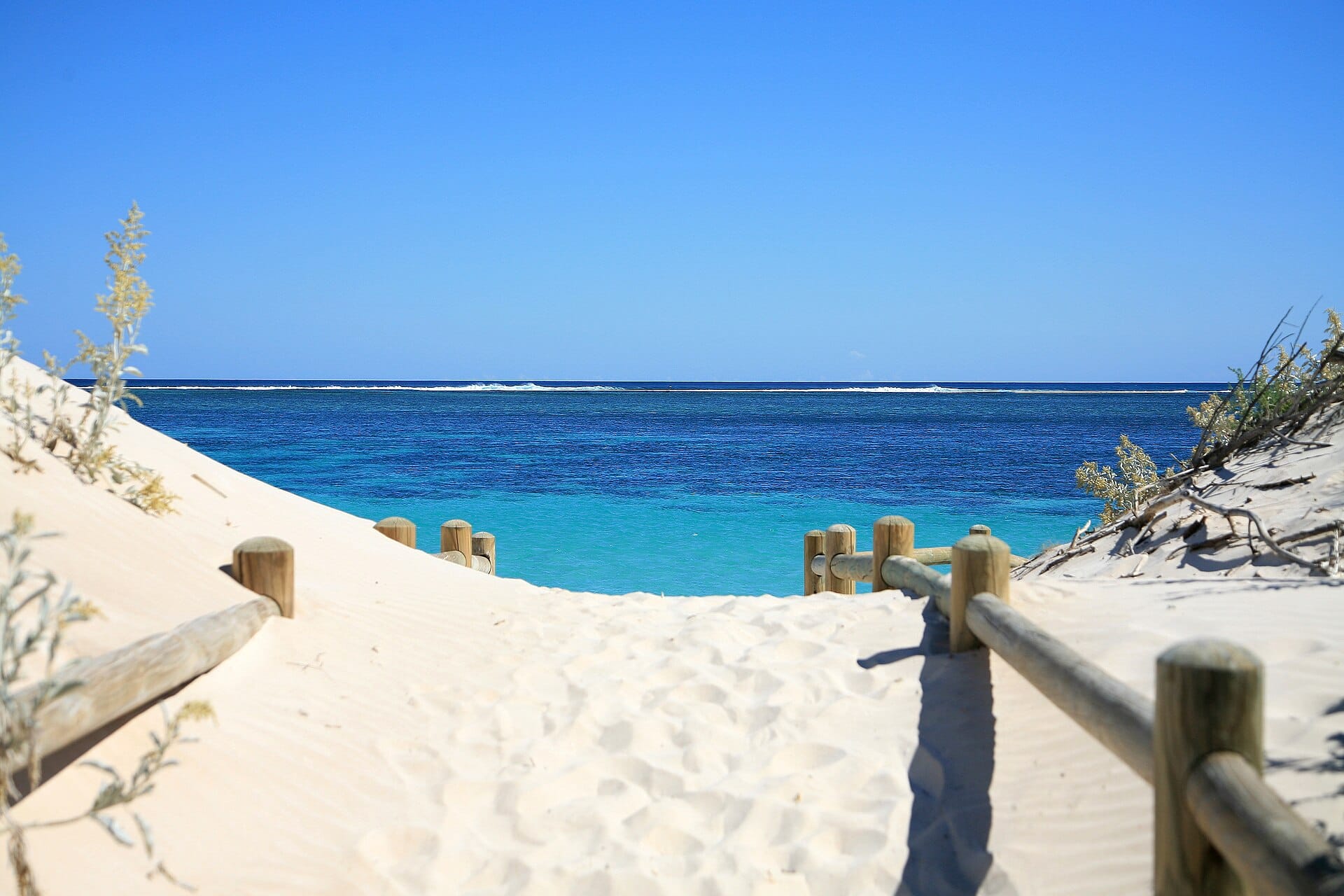
Turquoise Bay
Ningaloo Reef, AustraliaAlso for beach lovers and divers & snorkellers · 29°C in October (26°C here)
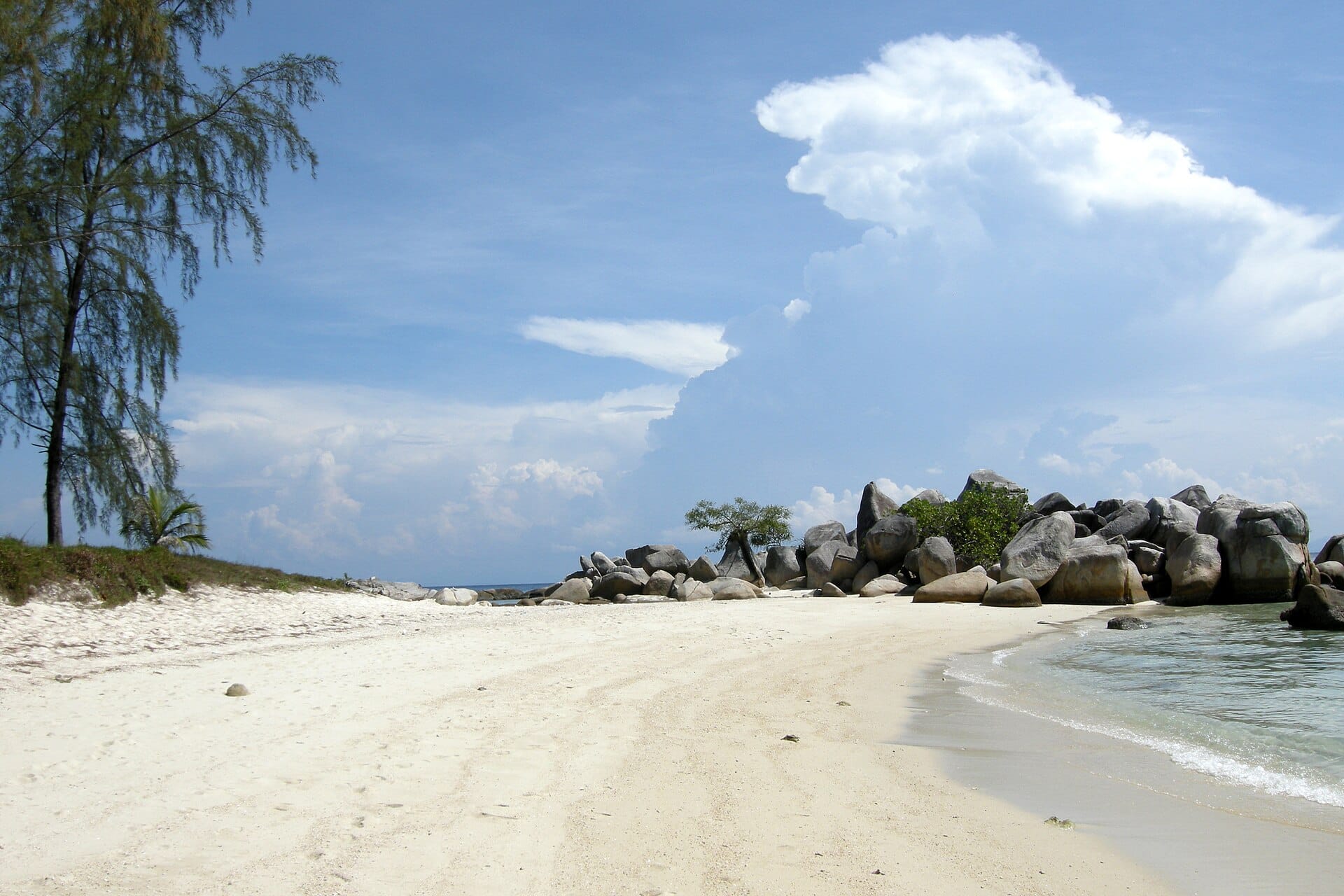
Malaysia's east coast: the Perhentians
Redang and TiomanAlso for beach lovers and divers & snorkellers · 29°C in October (26°C here)
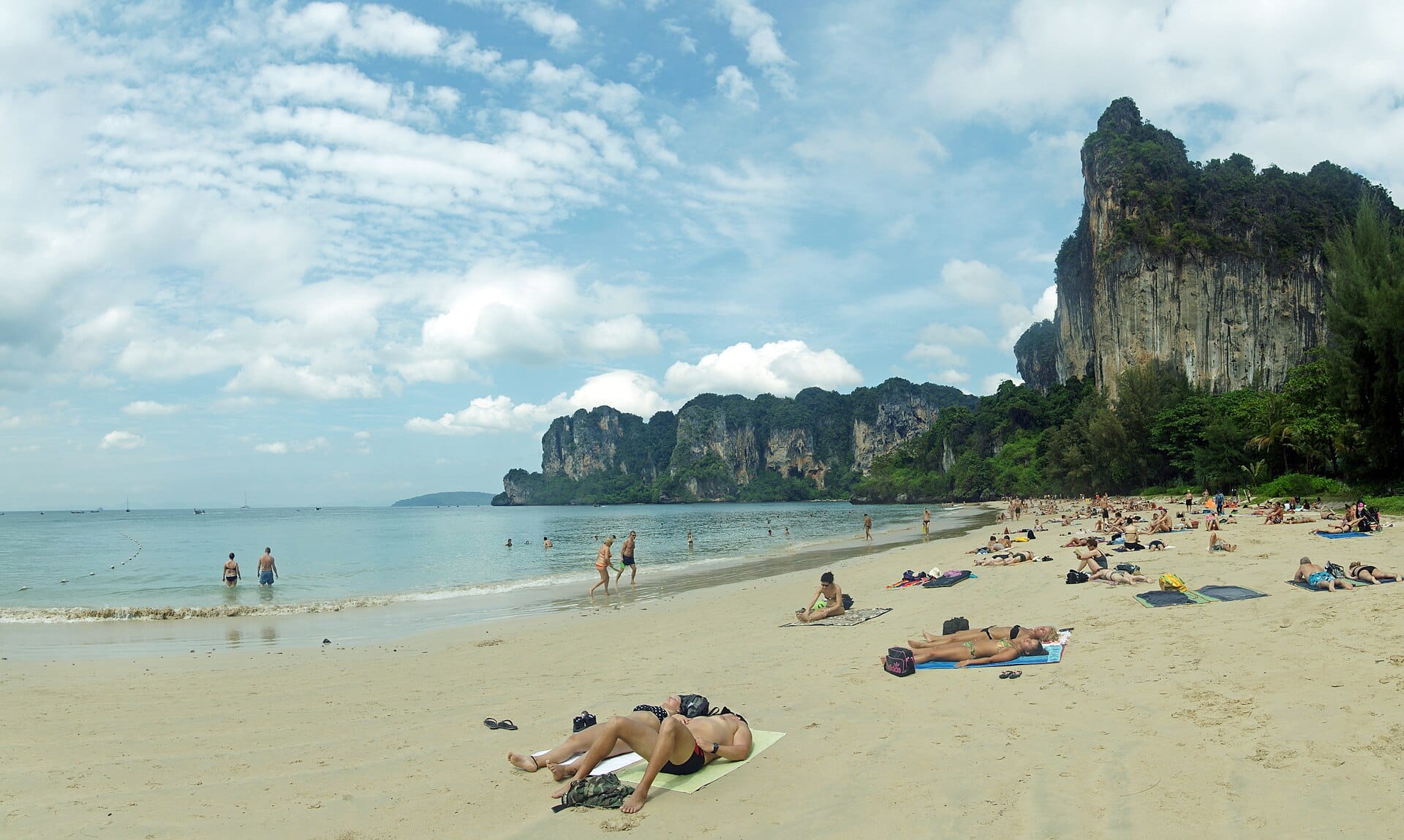
The Andaman Coast: Phuket
Ko Phi Phi and Ko Lanta, ThailandAlso for beach lovers and divers & snorkellers · 27°C in October, as here
Further afield
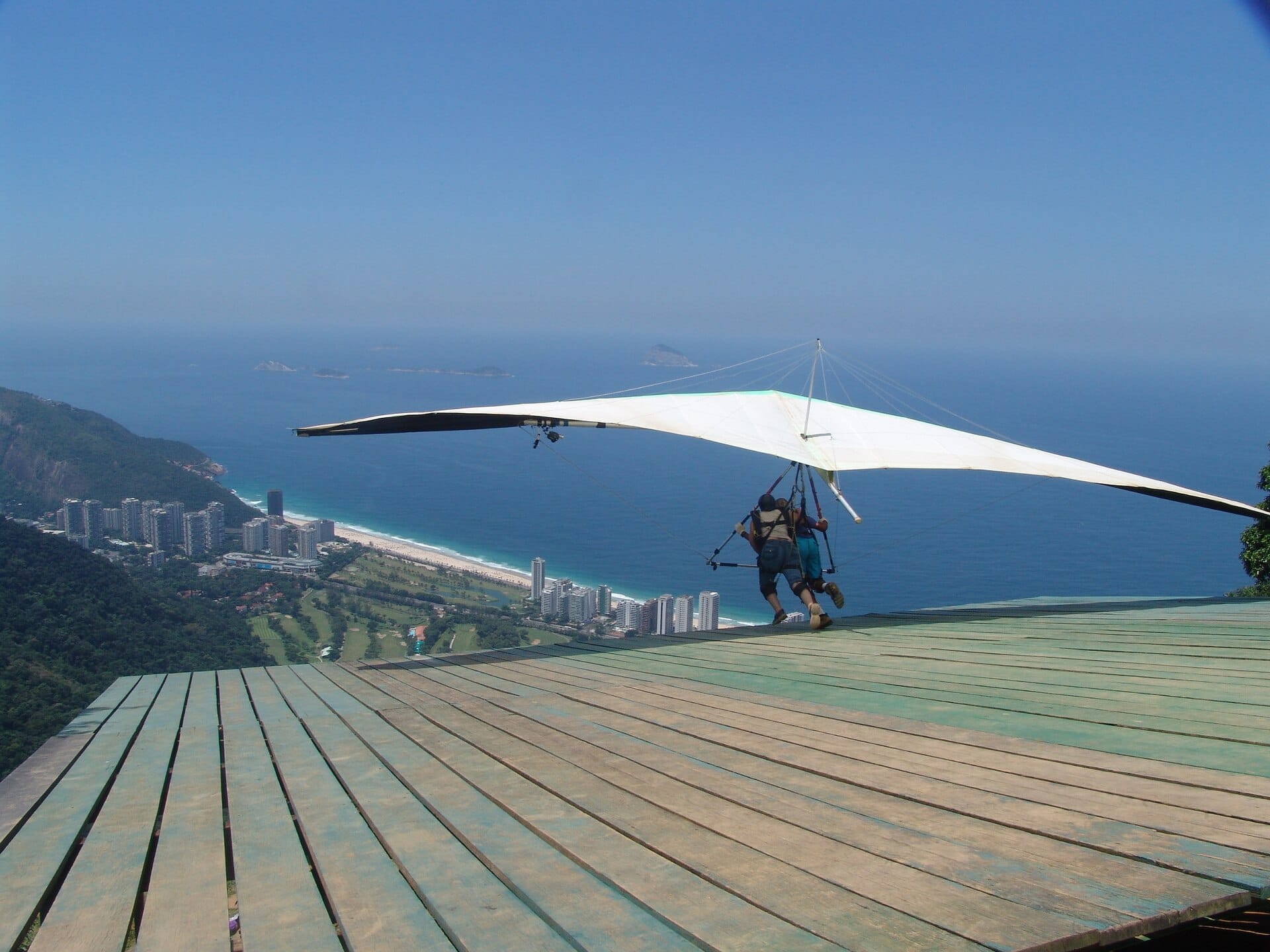
Hang-gliding over Rio de Janeiro
Brazil →
Sugarloaf Mountain
Rio de Janeiro, Brazil →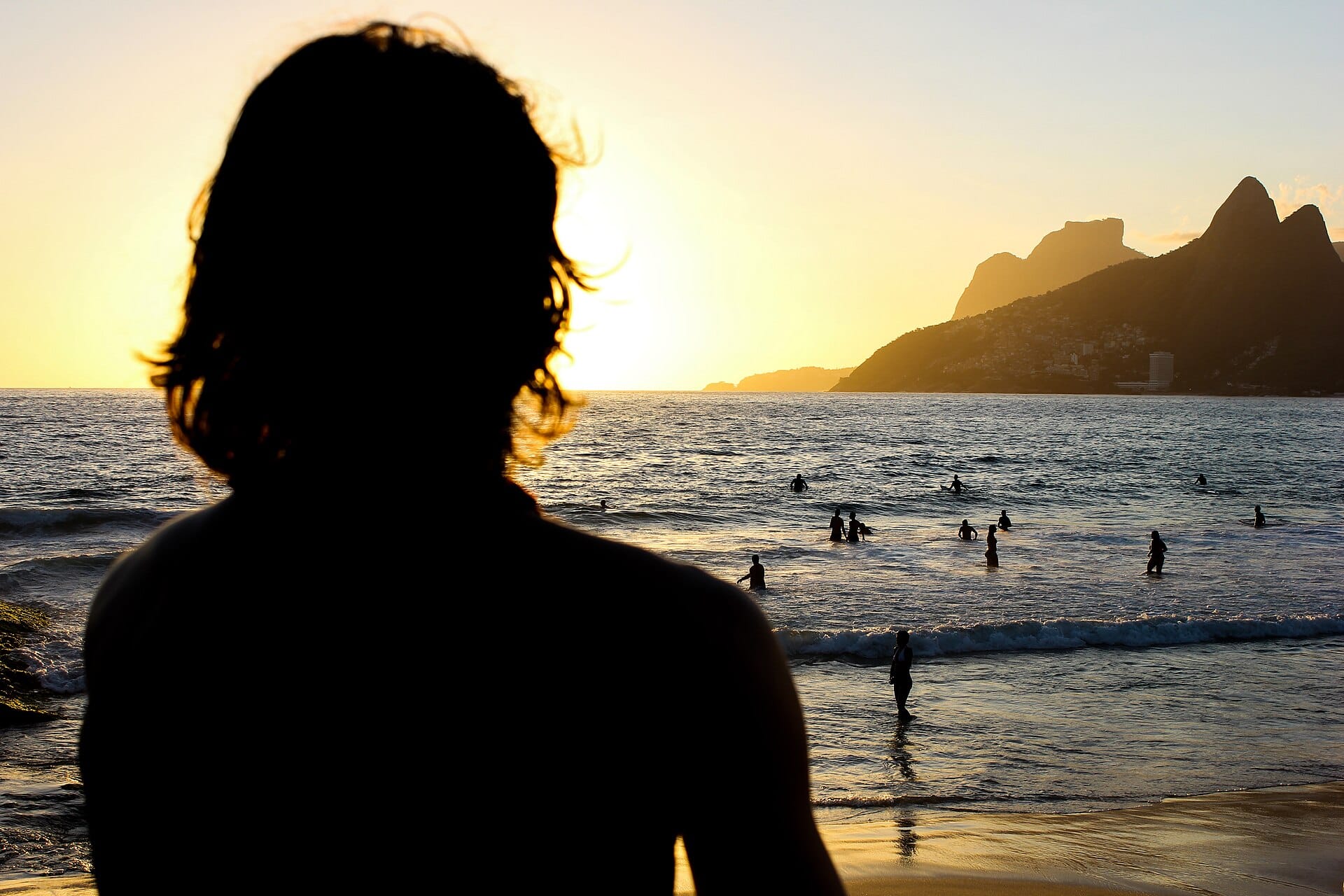
Arpoador
Rio de Janeiro, Brazil →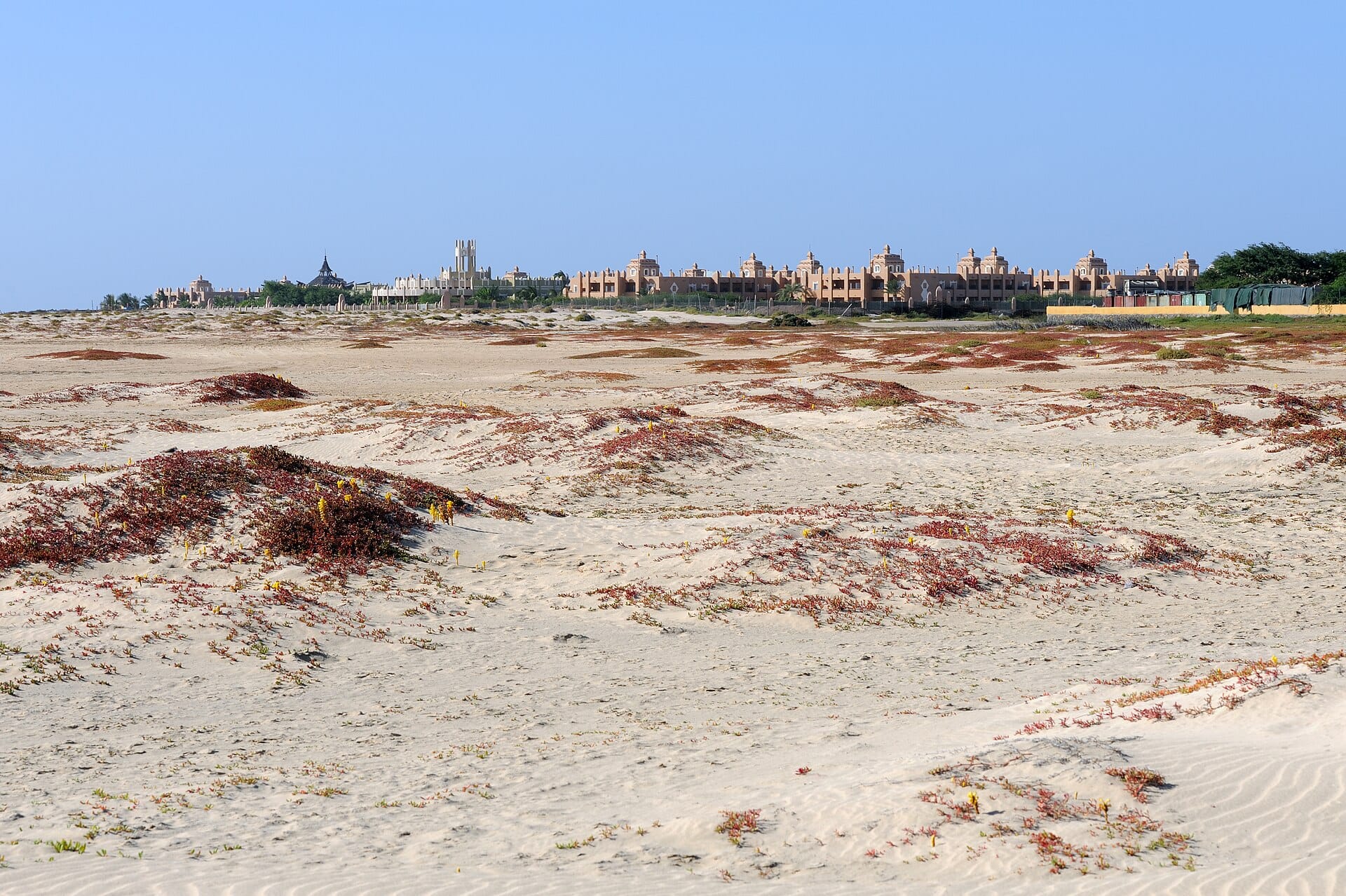
Cape Verde: Sal
Boa Vista and São Vicente →
The Pantanal
Brazil →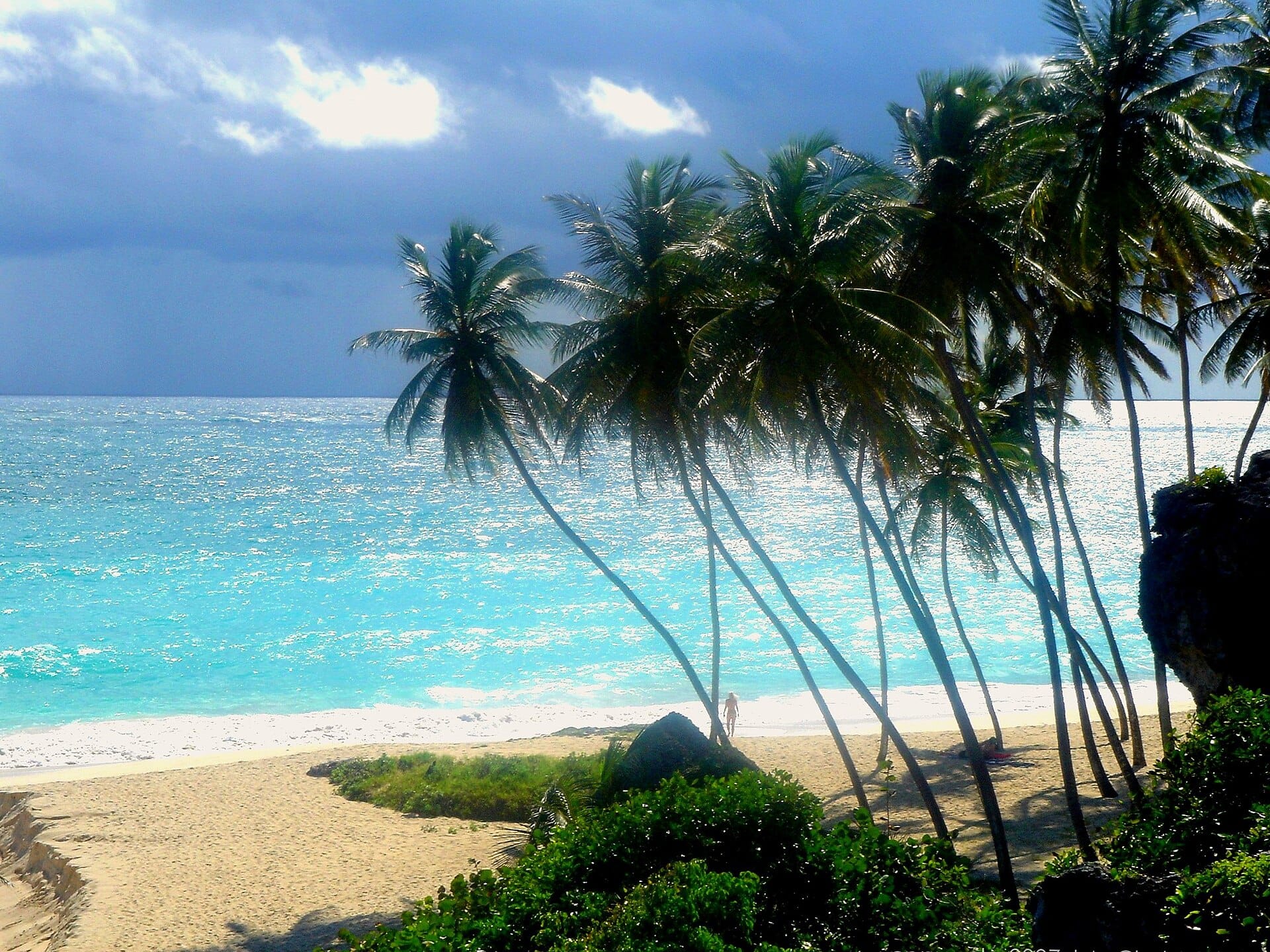
Barbados
Explore →Elsewhere in Brazil
Related articles
Quick answers
When is the best time to visit Baía do Sancho?
Daytime highs run from about 26°C in August to 28°C in April. Driest in November; wettest in March, with rain on about 27 days. The sea is warmest in April at around 30°C, coolest at 27°C.
How long should I spend in Baía do Sancho?
Our suggestion: 4–5 nights.
How do I get to Baía do Sancho?
Flights from Recife and Natal land at Fernando de Noronha (FEN), a few minutes from the main village by taxi or buggy. An environmental tax and a national park pass must be paid.
Do I need a car in Baía do Sancho?
No. One island bus runs the length of the main road and buggies are the usual hire; the island is small enough to manage without a car.
What currency and language are used in Baía do Sancho?
Currency: Brazilian real (BRL). Language: Portuguese. Plugs: type C and N.
Who is Baía do Sancho best for?
Best for beach lovers, divers & snorkellers and wildlife & nature. In a phrase: wild, protected, gloriously remote.