
Ten national parks for your first proper trek
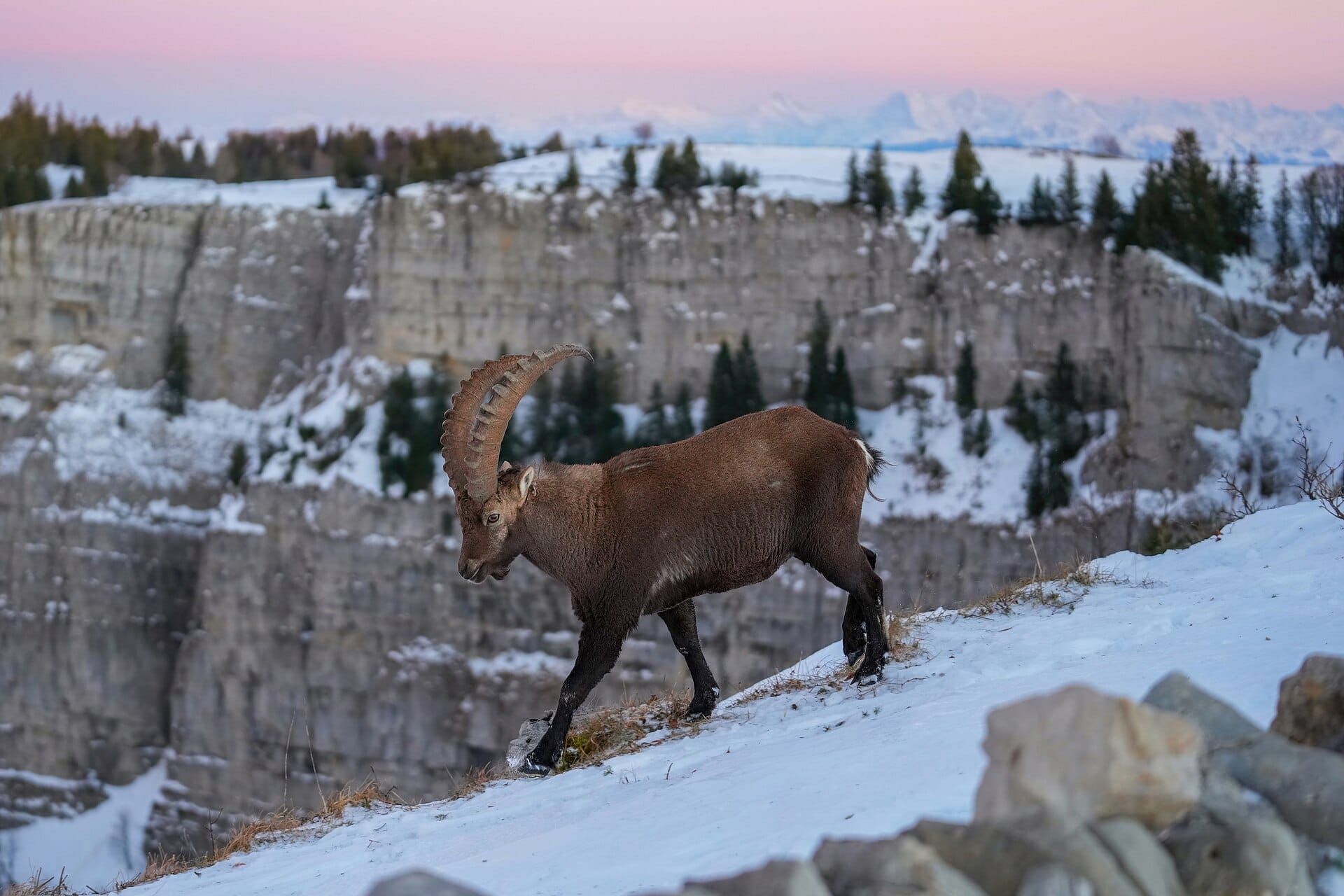
There's a gap between an afternoon stroll and a proper trek, and crossing it is one of travel's great upgrades. The trick for a first attempt is choosing terrain that's dramatic but forgiving: waymarked paths, huts or refuges so you carry less, and escape routes if the weather or your knees object. The ten parks below all fit that brief. Train a little beforehand — a few long weekend walks with a loaded pack — break in your boots properly, and book hut beds well ahead in summer.
1. Torres del Paine, Chile
Explore destination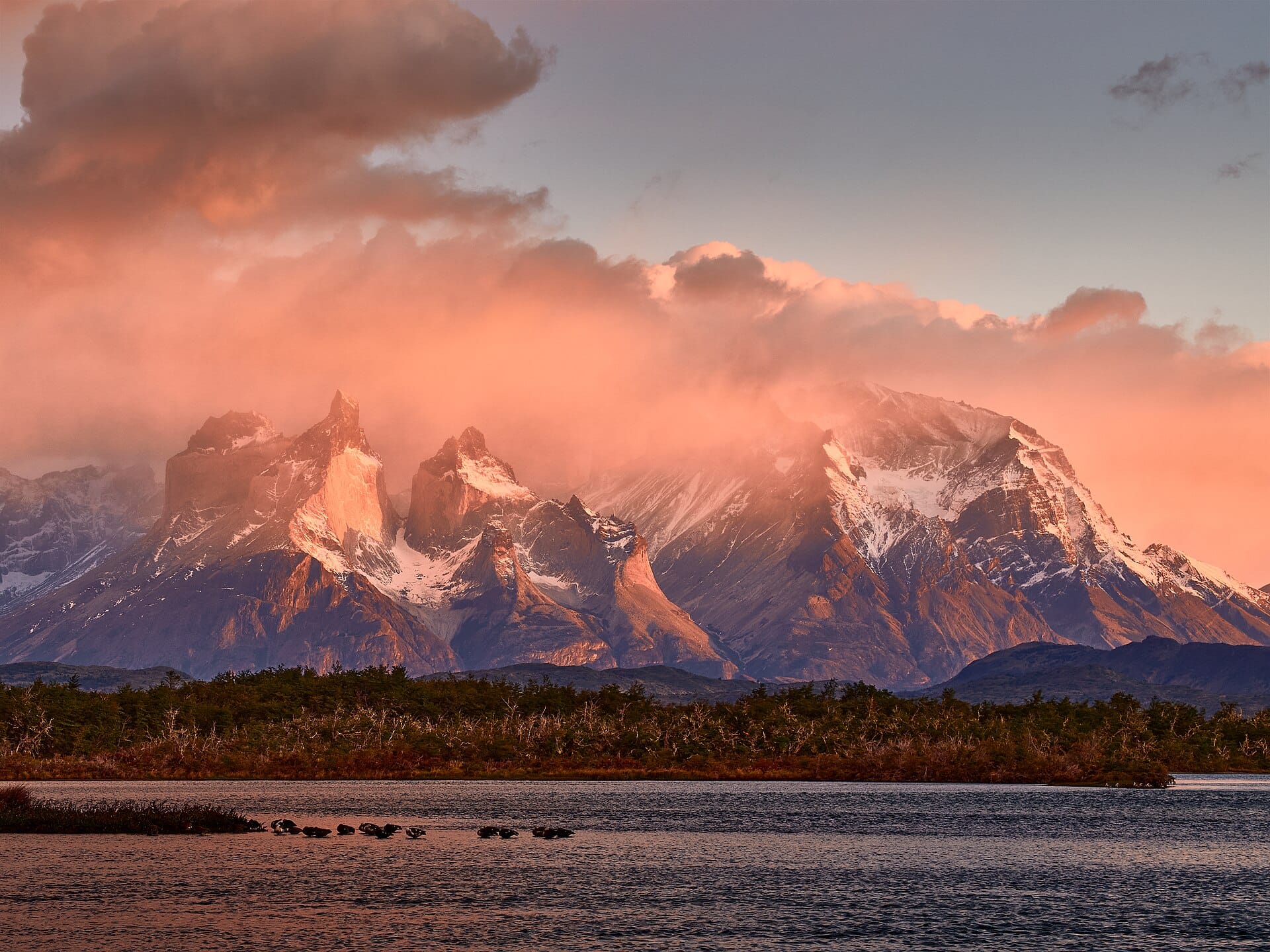
Patagonia's headline act, and surprisingly manageable: the W Trek covers about eighty kilometres in four to five days between staffed refugios, so you carry clothes and snacks rather than a full camp. Granite towers, the blue sprawl of Grey Glacier and guanacos posing on cue. The catch is admin — campsites and refugios must be booked months ahead for the December-to-February season. Wind is the real adversary; anchor your hat.
2. Tatra Mountains, Poland and Slovakia
Explore destination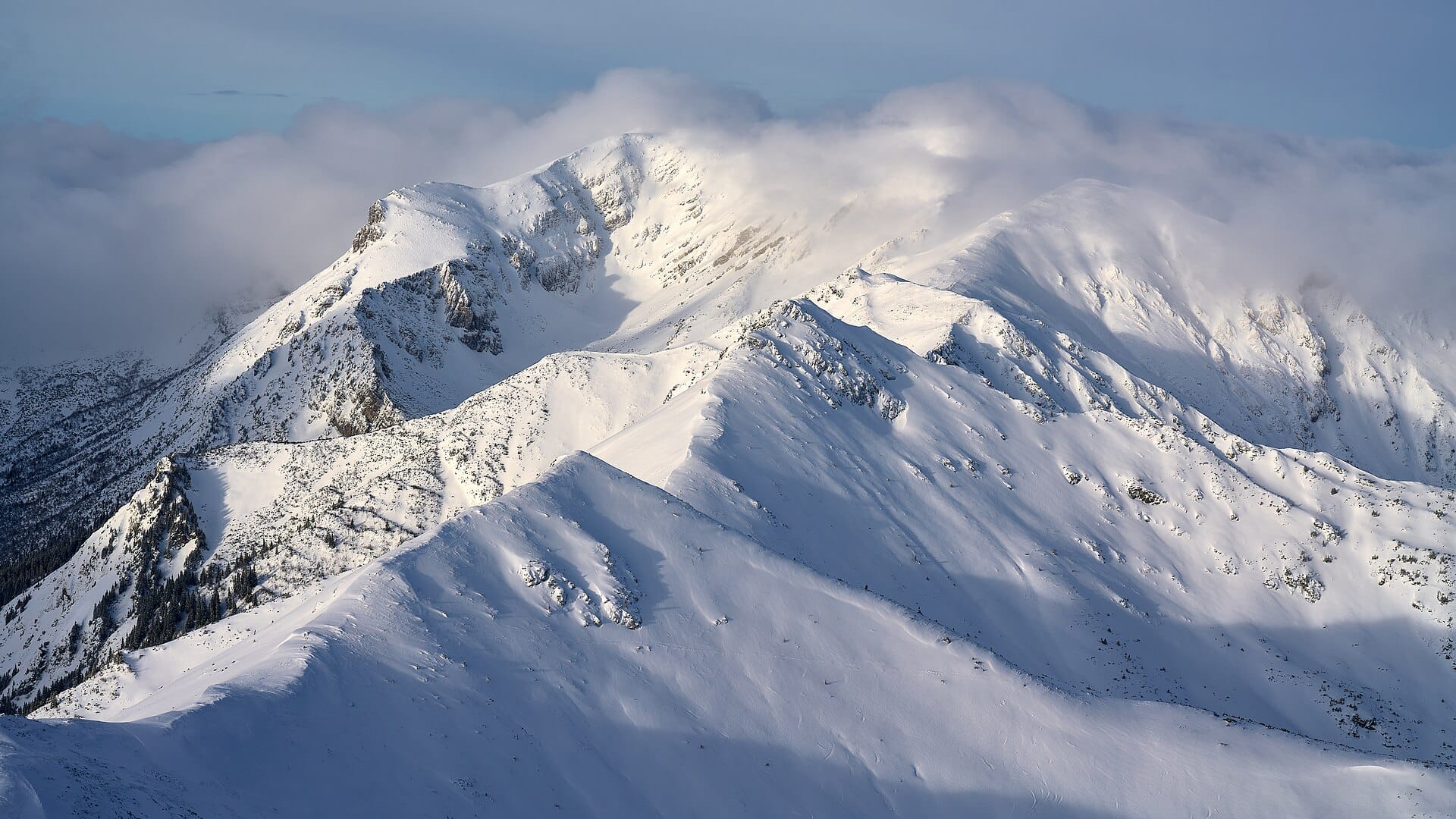
A compact granite range with a big-mountain attitude, the Tatras run a superb hut network on both sides of the border, so multi-day routes need only a light pack and a booking. Base yourself in Zakopane for the Polish side or Štrbské Pleso for the Slovak, and build up from valley lakes to ridge passes. Costs are refreshingly low by alpine standards. Watch afternoon thunderstorms in July and August; start walking early.
3. Triglav National Park, Slovenia
Explore destination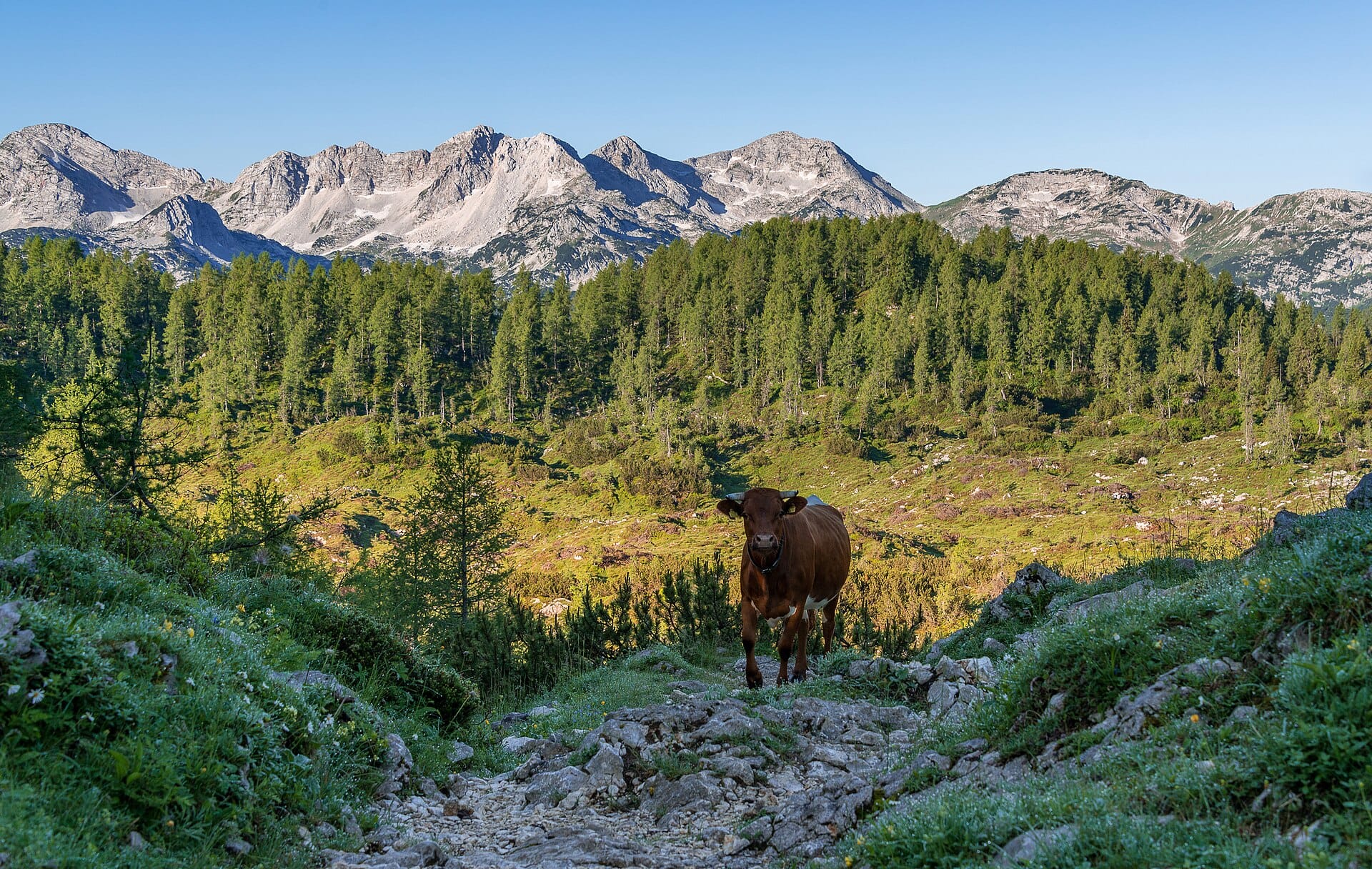
Slovenia's only national park wraps the Julian Alps in a compact, hut-linked wonderland, and the Seven Lakes Valley traverse is the ideal first multi-day route: two to three days of tarns, limestone pavements and cheerful mountain huts serving goulash. The ambitious can add Triglav itself — Slovenes consider the summit a patriotic duty — but its final ridge is a secured scramble, so hire a local guide unless you're confident with cables.
4. Picos de Europa, Spain
Explore destination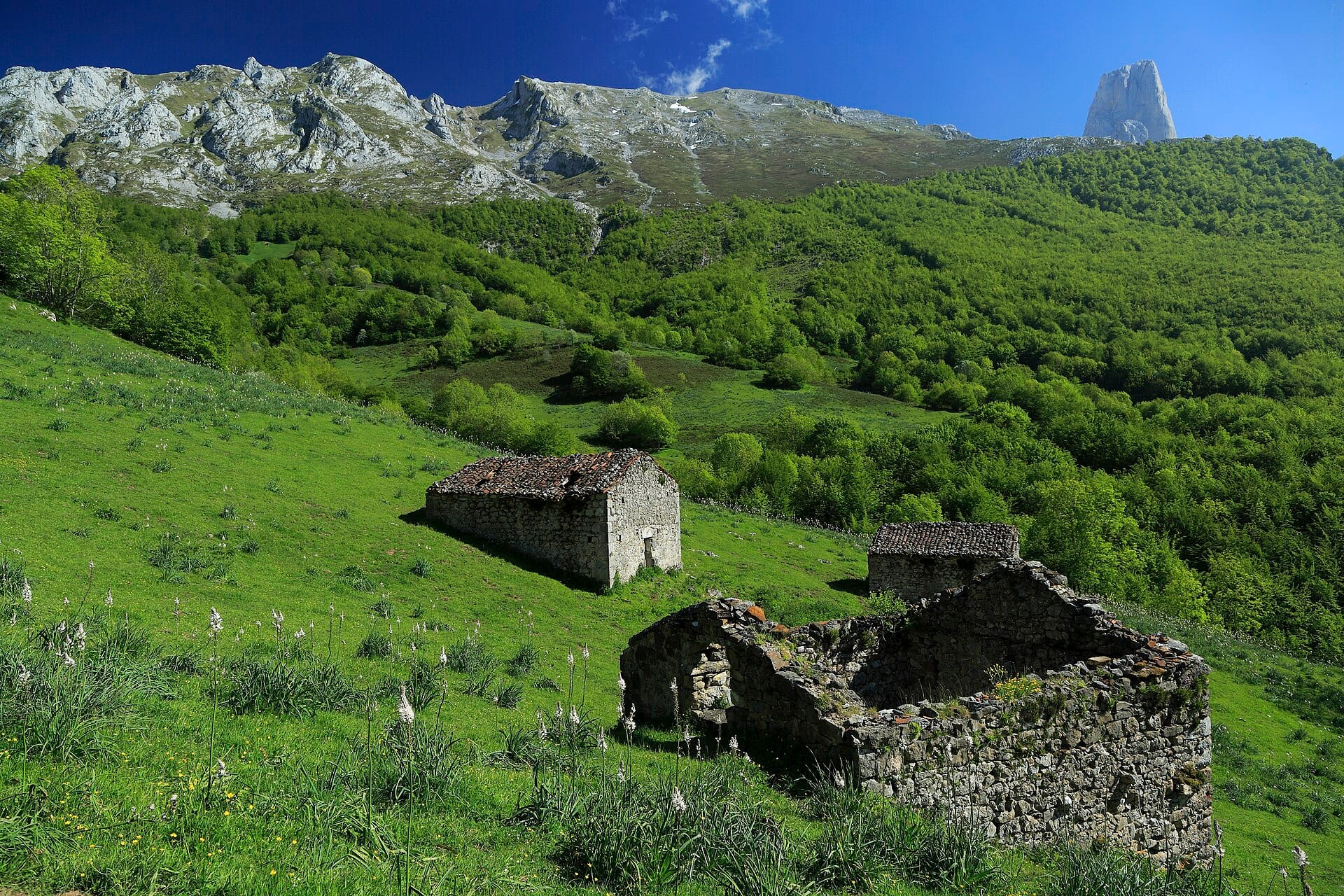
Green northern Spain hides a compact limestone range where trails link stone villages, high pastures and refuges beneath the great tusk of Naranjo de Bulnes. The Fuente Dé cable car lifts you 750 metres in four minutes, opening high routes without the grind. Treks here pair nicely with serious food — this is cabrales blue-cheese and cider country. June and September offer the best balance of weather and empty paths.
5. Tre Cime di Lavaredo, Dolomites, Italy
Explore destination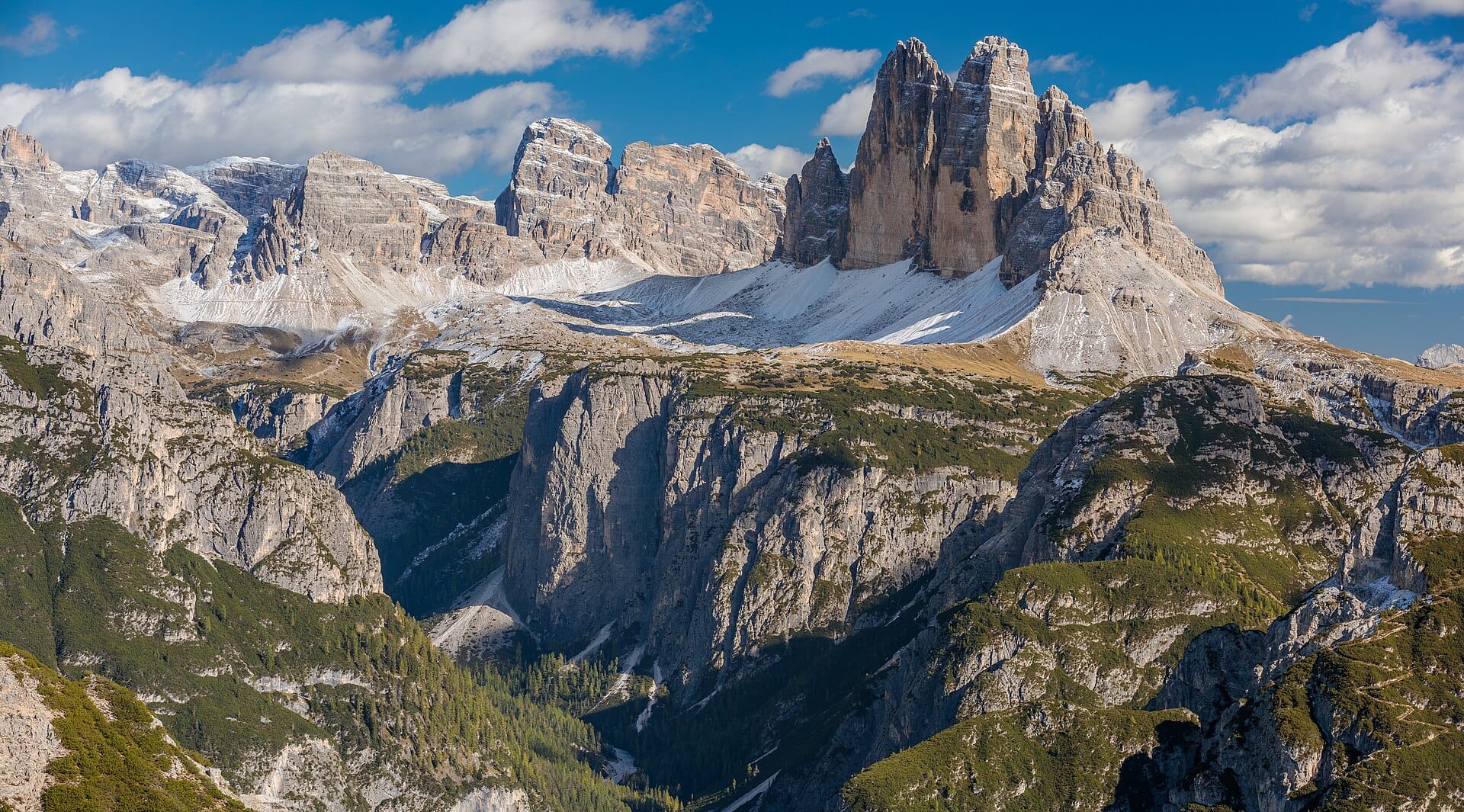
The famous three towers anchor a corner of the Dolomites that works brilliantly as a first hut-to-hut trip: string together the Locatelli, Pian di Cengia and Comici refuges over two or three days and you get iron-grey walls, wildflower shelves and strudel on tap. Paths are broad and superbly marked. Book refuge beds by spring for July and August, and carry cash — some huts still wave away cards with a shrug.
6. Cairngorms, Scotland
Explore destination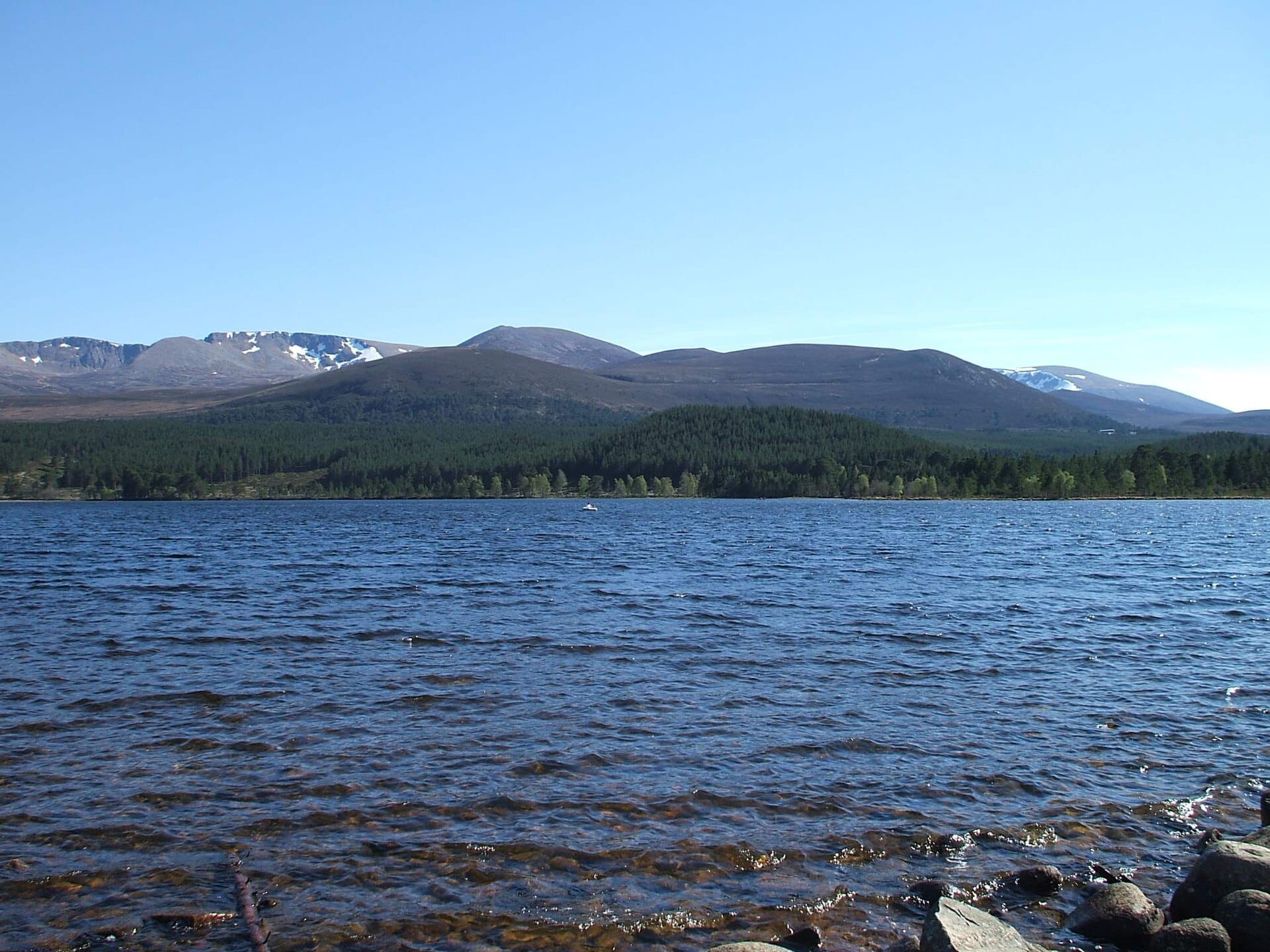
Britain's biggest national park offers a genuine wilderness apprenticeship: the Lairig Ghru pass carves twenty-seven kilometres through the massif, and simple bothies — free, unlocked shelters — let you try a night out without buying a tent. Navigation matters here; the plateau is famously featureless in mist, so carry a map and compass you can actually use. Aviemore makes an easy base, and September brings purple heather and fewer midges.
7. Berchtesgaden National Park, Germany
Explore destination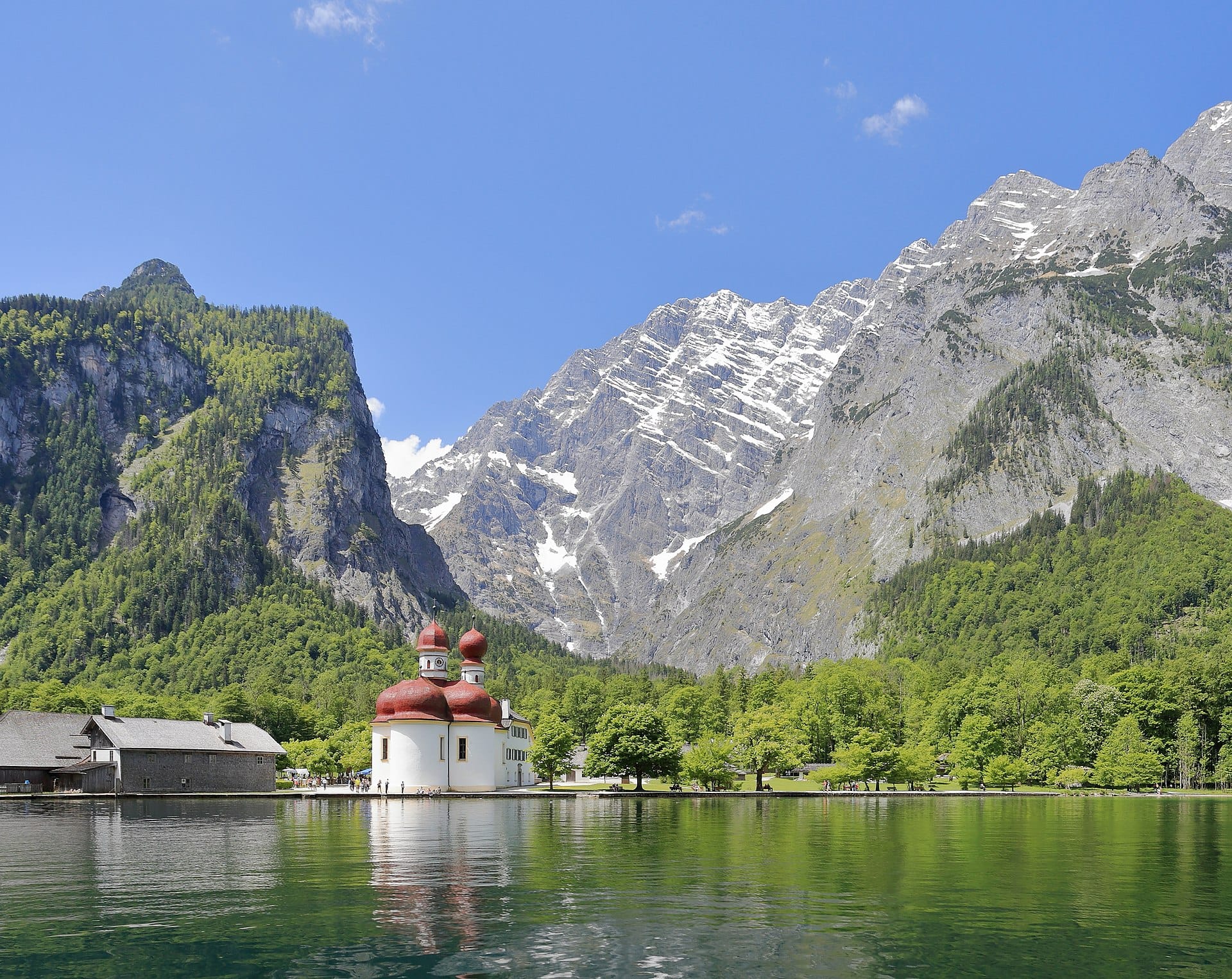
Germany's alpine showpiece is built for a confidence-building first trek: take the electric boat down the fjord-like Königssee to the red-domed chapel of St Bartholomä, then walk in beneath the Watzmann's kilometre-high east face. Huts such as the Kärlingerhaus above the eccentric Funtensee let you string together a superb two-to-three-day loop with escape routes everywhere. Book hut beds from May for the summer season, and pack a swimming costume for the lake — briefly.
8. Ordesa y Monte Perdido, Spain
Explore destination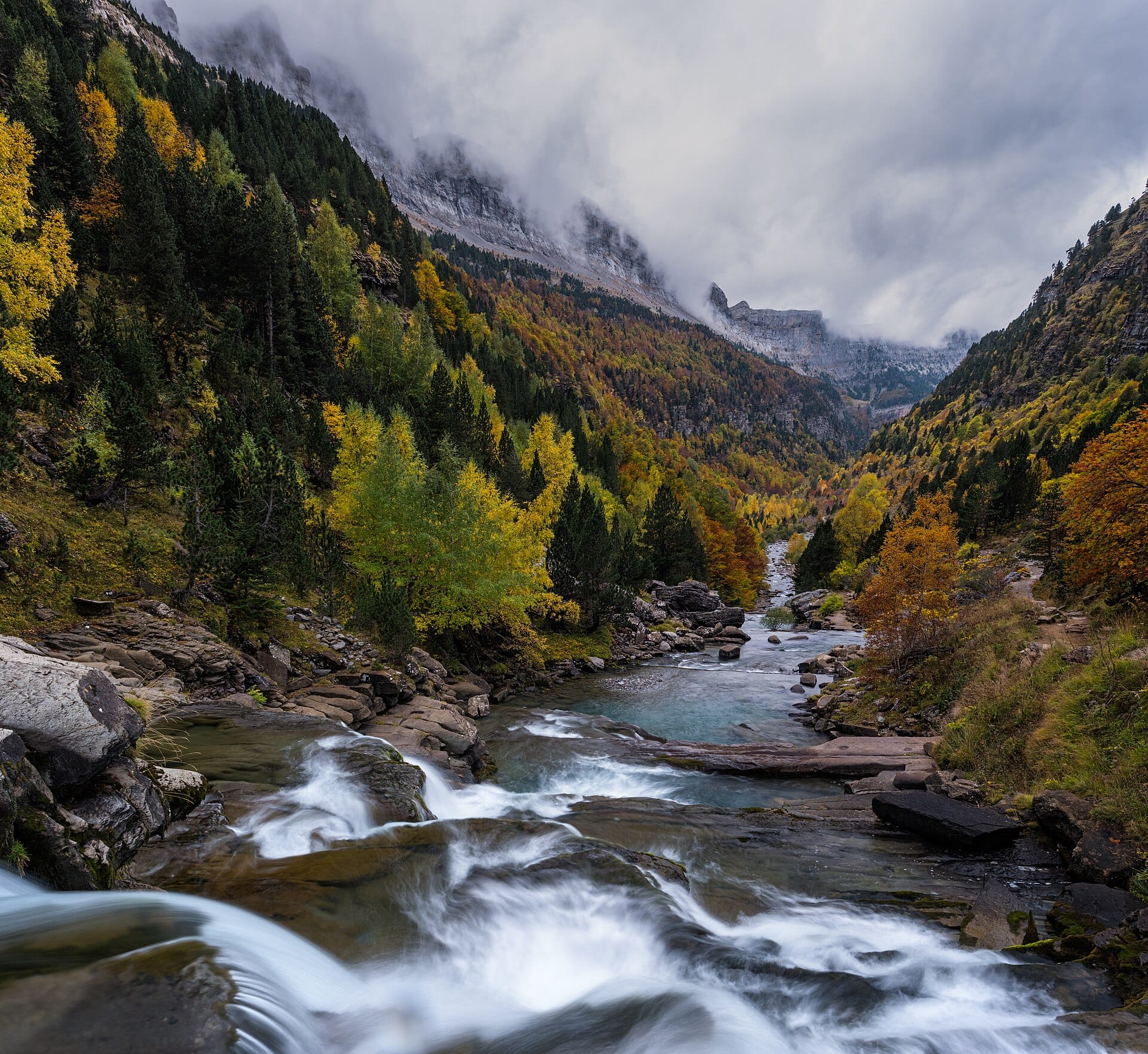
The Pyrenees' answer to Yosemite: the Ordesa canyon runs beneath kilometre-high striped cliffs to the horseshoe wall of the Cirque de Soaso, on a broad path that grazing horses share amiably. First-time trekkers can sleep at the Refugio de Góriz and make a weekend of it, with the ascent of Monte Perdido waiting once your legs have earned it. In peak summer access is by shuttle bus from Torla — catch the first one and beat the canyon heat.
9. Durmitor National Park, Montenegro
Explore destination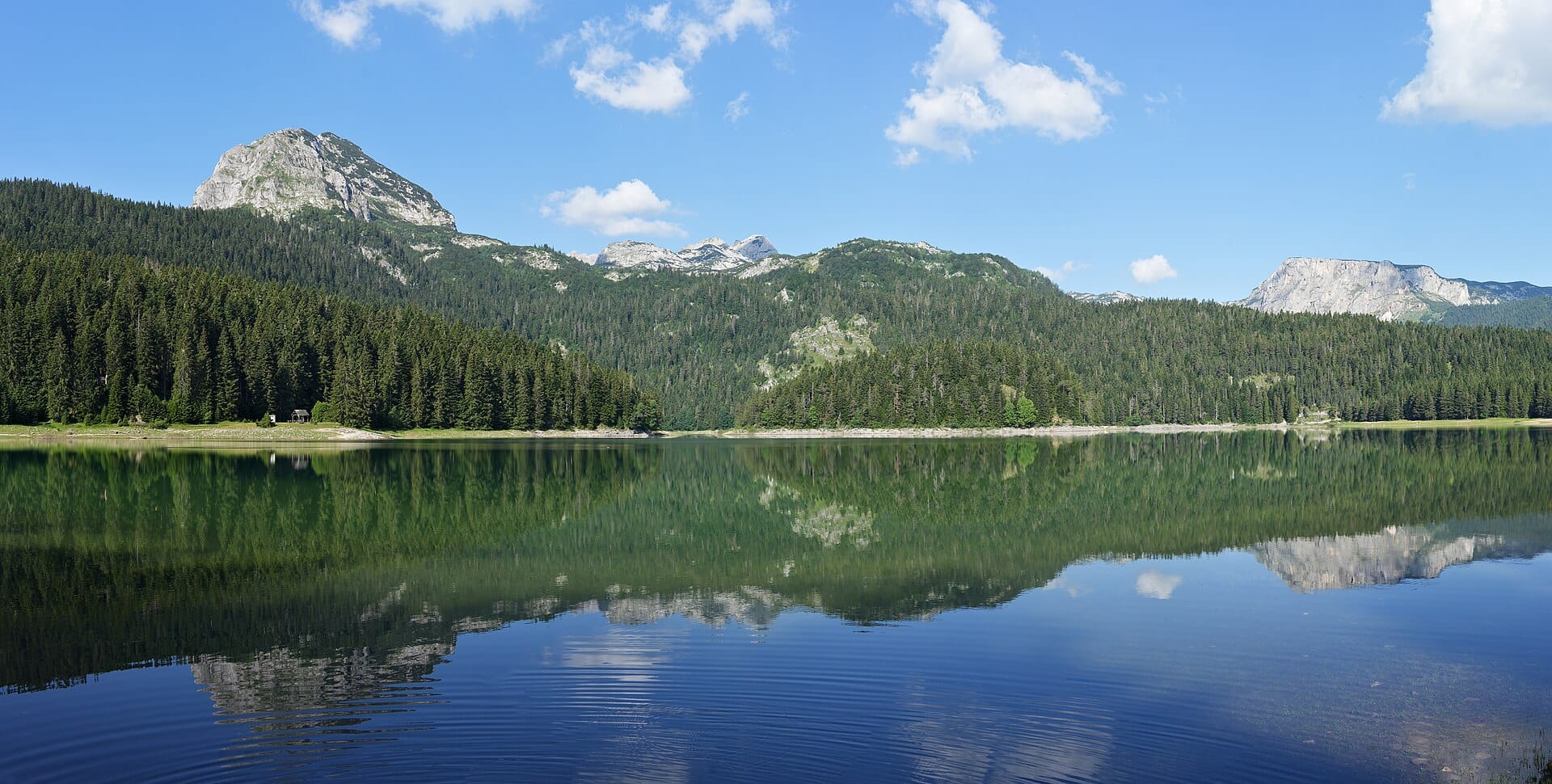
Montenegro's limestone wilderness packs eighteen glacial lakes and Europe's deepest canyon — the Tara — into a park you can cross in a few days. Start gently around the Black Lake beneath the bulk of Međed, then work up through pine forest and karst to Bobotov Kuk, the 2,523-metre summit with a walkers' path all the way. Žabljak town makes a cheap, cheerful base. Go in June or September; July afternoons build thunderstorms with theatrical intent.
10. Vanoise National Park, France
Explore destination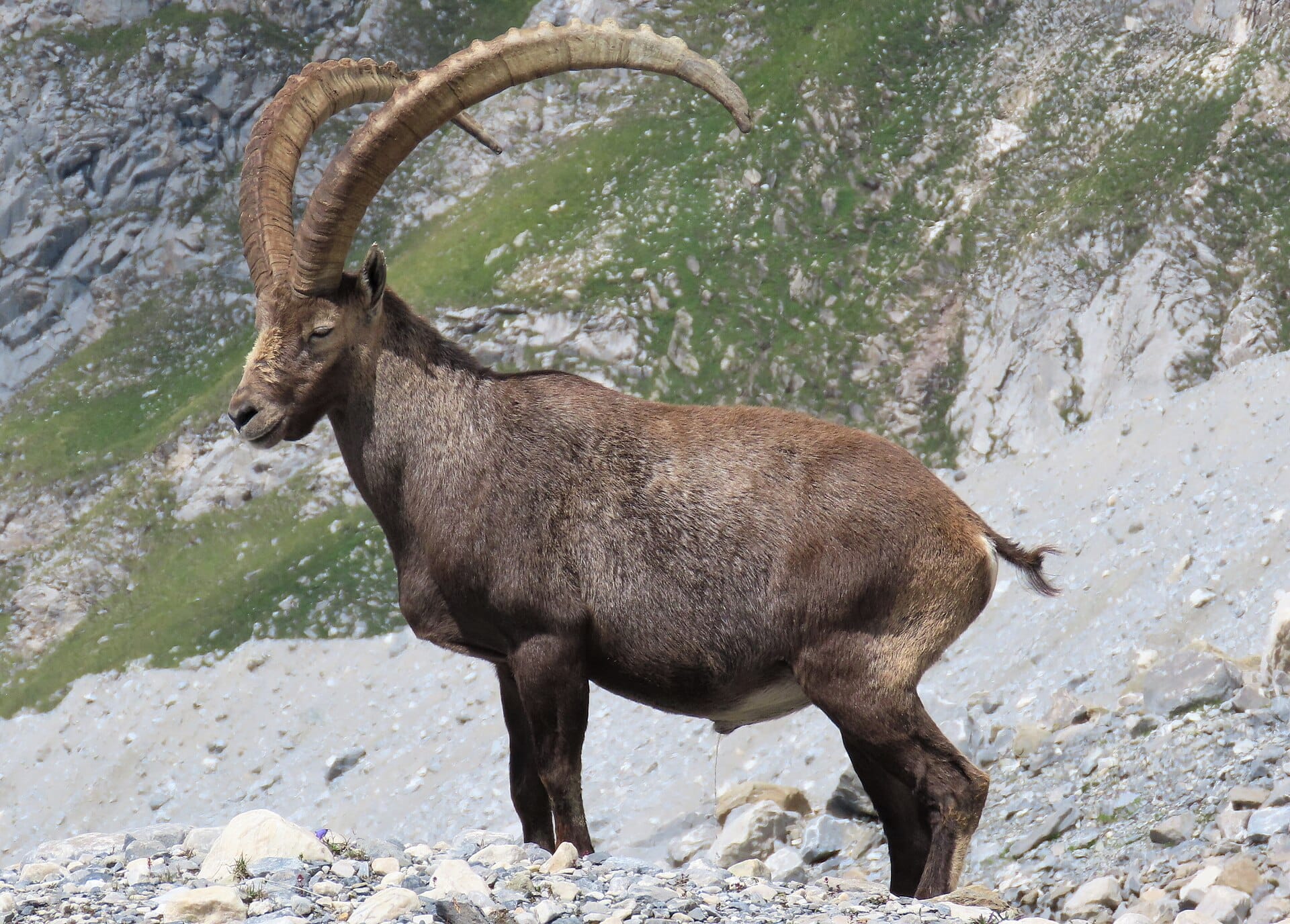
France's first national park is hut-to-hut heaven: the Tour des Glaciers de la Vanoise circles a shining plateau of ice over four to five days on unambiguous paths, with refuges spaced a comfortable half-day apart so you carry almost nothing. Ibex are the park's pride and pose obligingly at dawn. Pralognan-la-Vanoise is the classic trailhead, and the route stays below 2,800 metres — big scenery without altitude drama. Reserve refuges online from March for July beds.