
Ten wild tropical trips for animal lovers
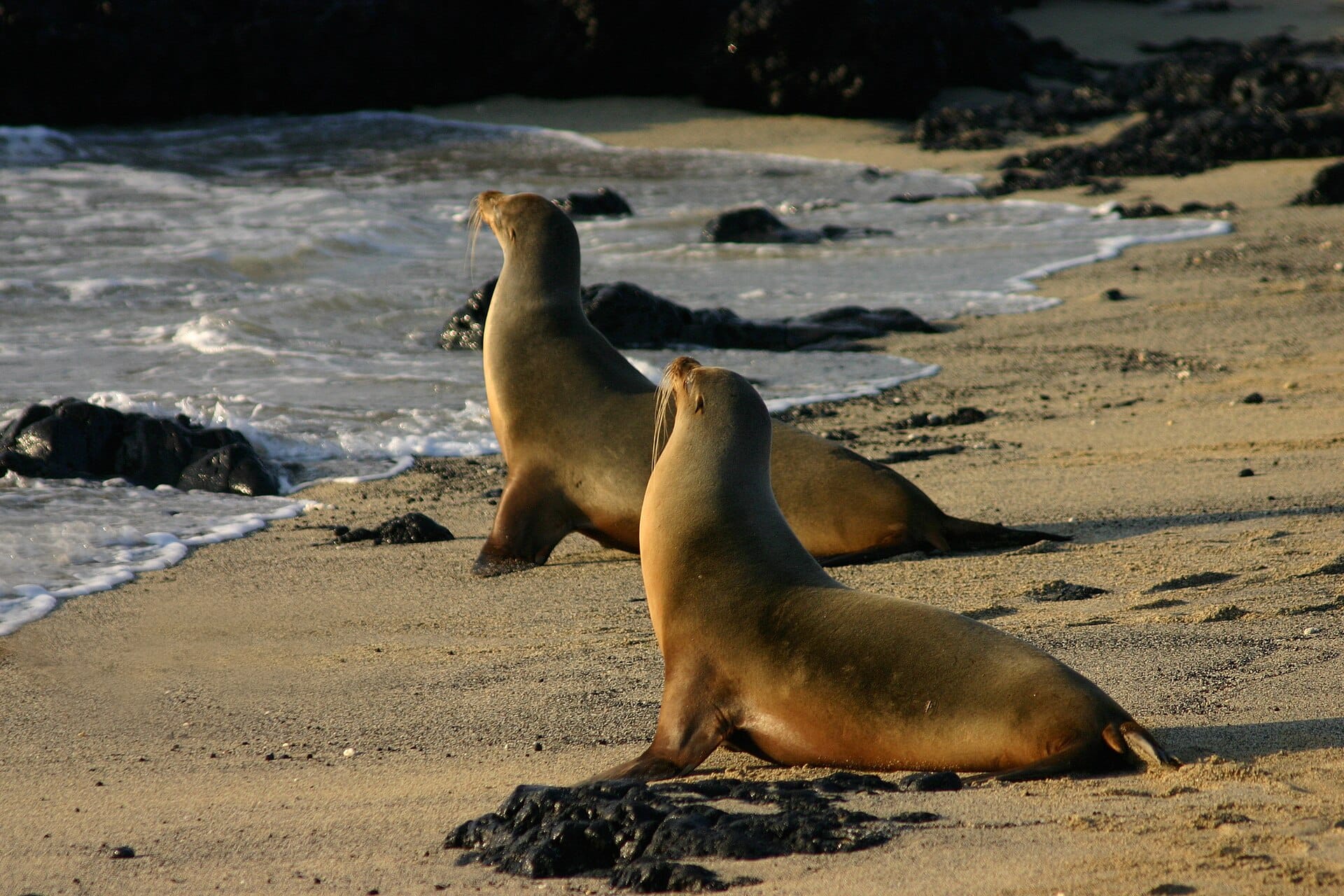
There's wildlife-spotting, and then there's the tropics doing it properly: sea lions dozing on your beach towel, orangutans crashing through the canopy above breakfast, turtles hauling themselves up a midnight beach to lay. These ten trips put animals at the centre of the itinerary rather than the margins. Most demand early alarms, a decent pair of binoculars and a guide worth paying for — and all of them repay the effort with encounters no zoo or documentary can fake.
1. Galápagos Islands, Ecuador
Explore destination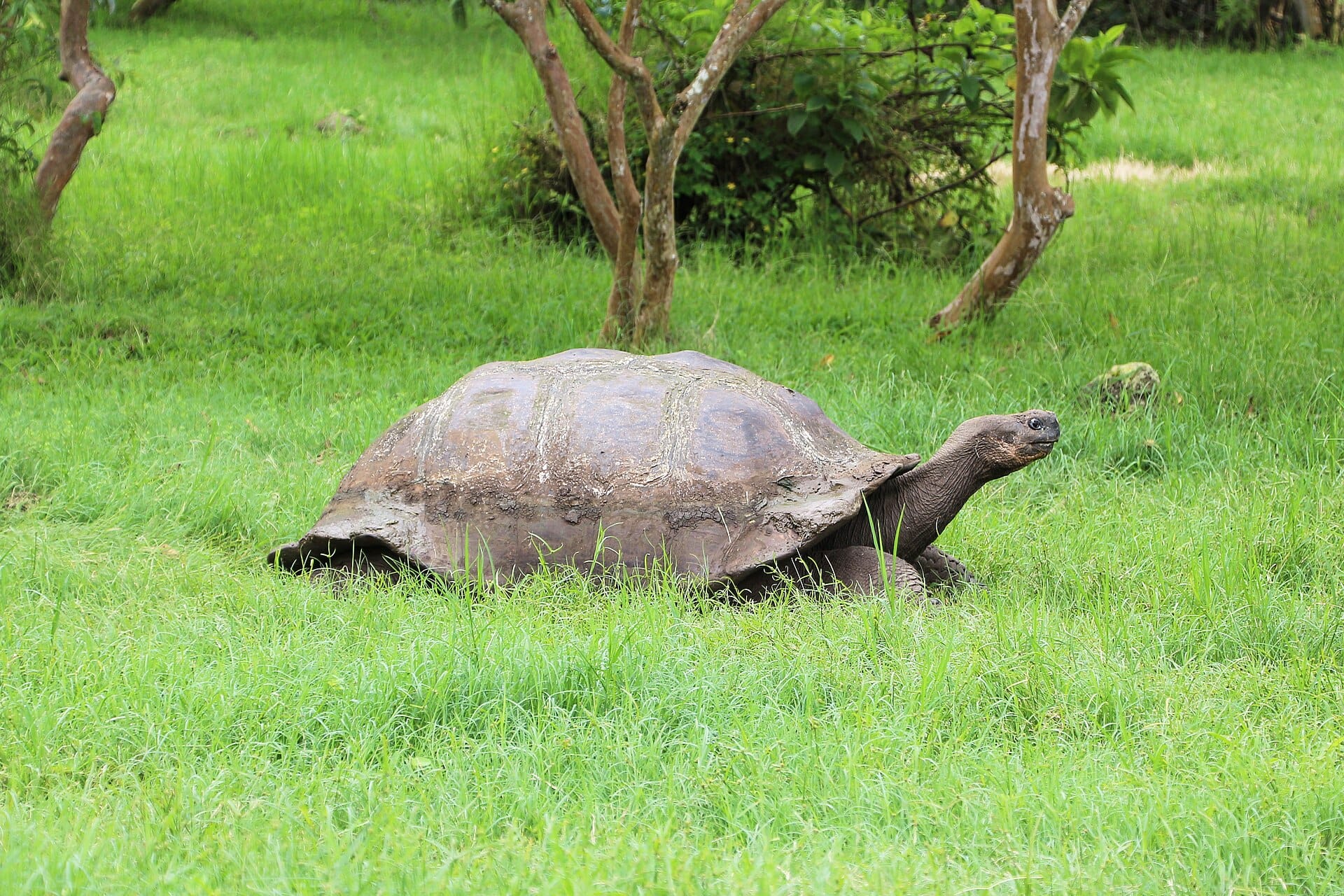
The Galápagos remains the world's most obliging wildlife destination because the animals never learned fear: boobies dance beside the trail, marine iguanas sneeze salt at your feet and sea lions photobomb every snorkel. Giant tortoises lumber through the Santa Cruz highlands like furniture on the move. Cruises see more islands, but land-based trips from Puerto Ayora cost roughly half as much — a fair trade for most first-timers.
2. Sepilok and the Kinabatangan, Borneo, Malaysia
Explore destination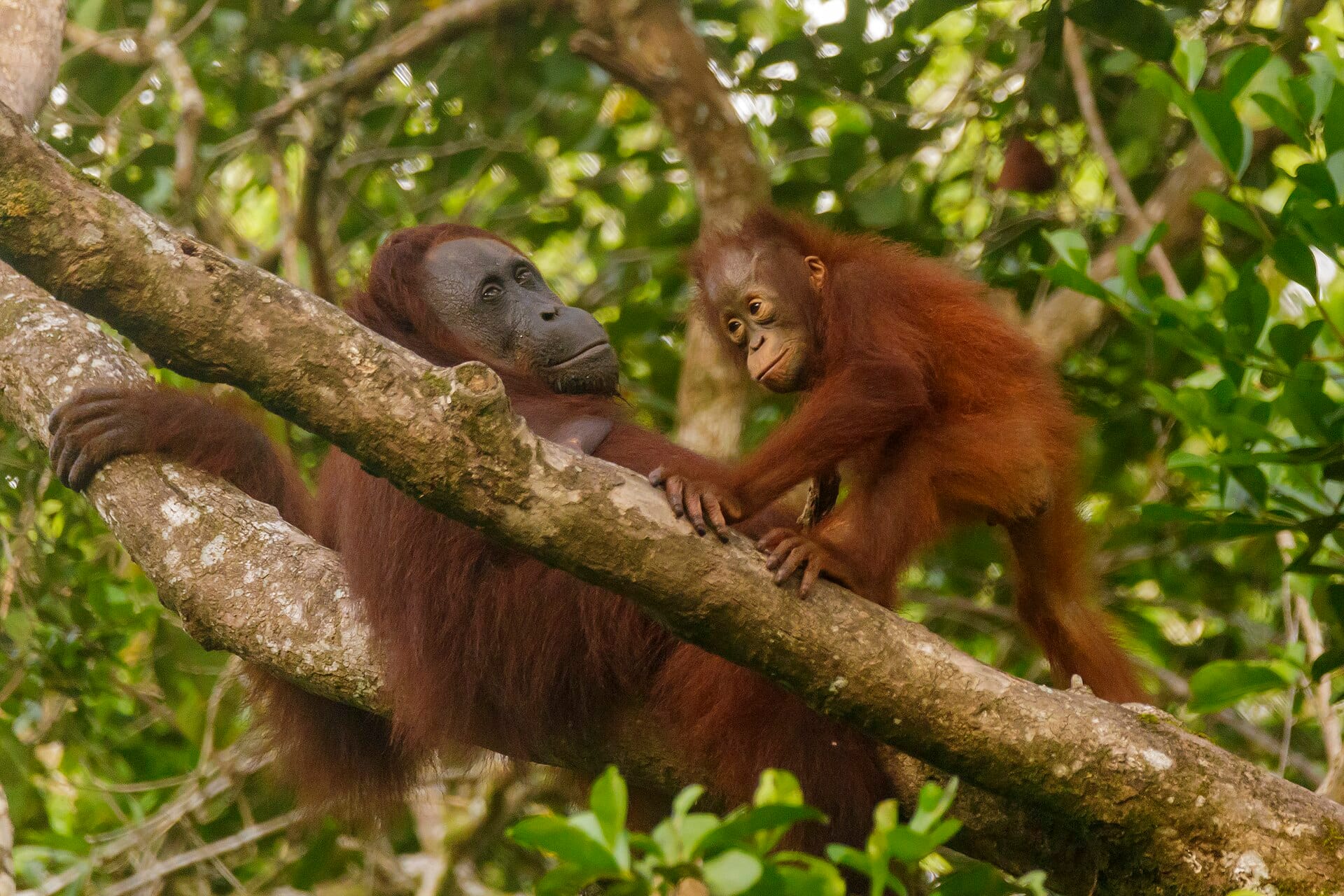
Sabah compresses Borneo's greatest hits into one loop: rehabilitated orangutans swinging into Sepilok's feeding platforms, the sun-bear sanctuary next door and river cruises on the Kinabatangan, where proboscis monkeys honk from the trees and pygmy elephants sometimes wade the shallows. Stay two nights at a river lodge rather than day-tripping — dawn and dusk cruises are when the riverbank comes alive. June to September is driest.
3. Andasibe, Madagascar
Explore destination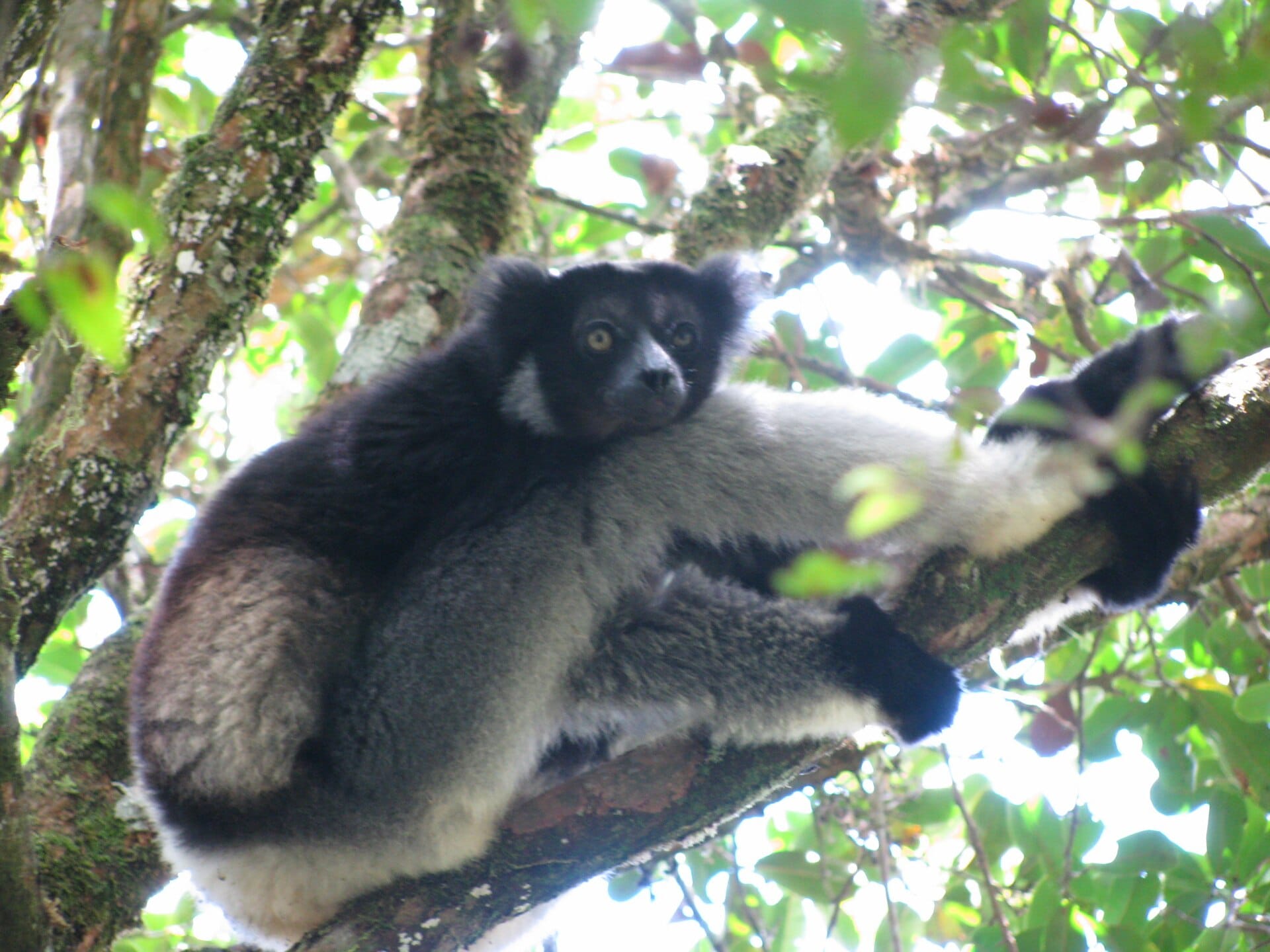
Nothing prepares you for the call of the indri — a whale-song wail that carries for kilometres through Andasibe's misty forest, three hours east of Antananarivo. The largest living lemur shares these reserves with sifakas, chameleons the size of a fingernail and leaf-tailed geckos doing their best impression of bark. Hire a local guide at the park gate and take the night walk: half of Madagascar only appears after dark.
4. Osa Peninsula, Costa Rica
Explore destination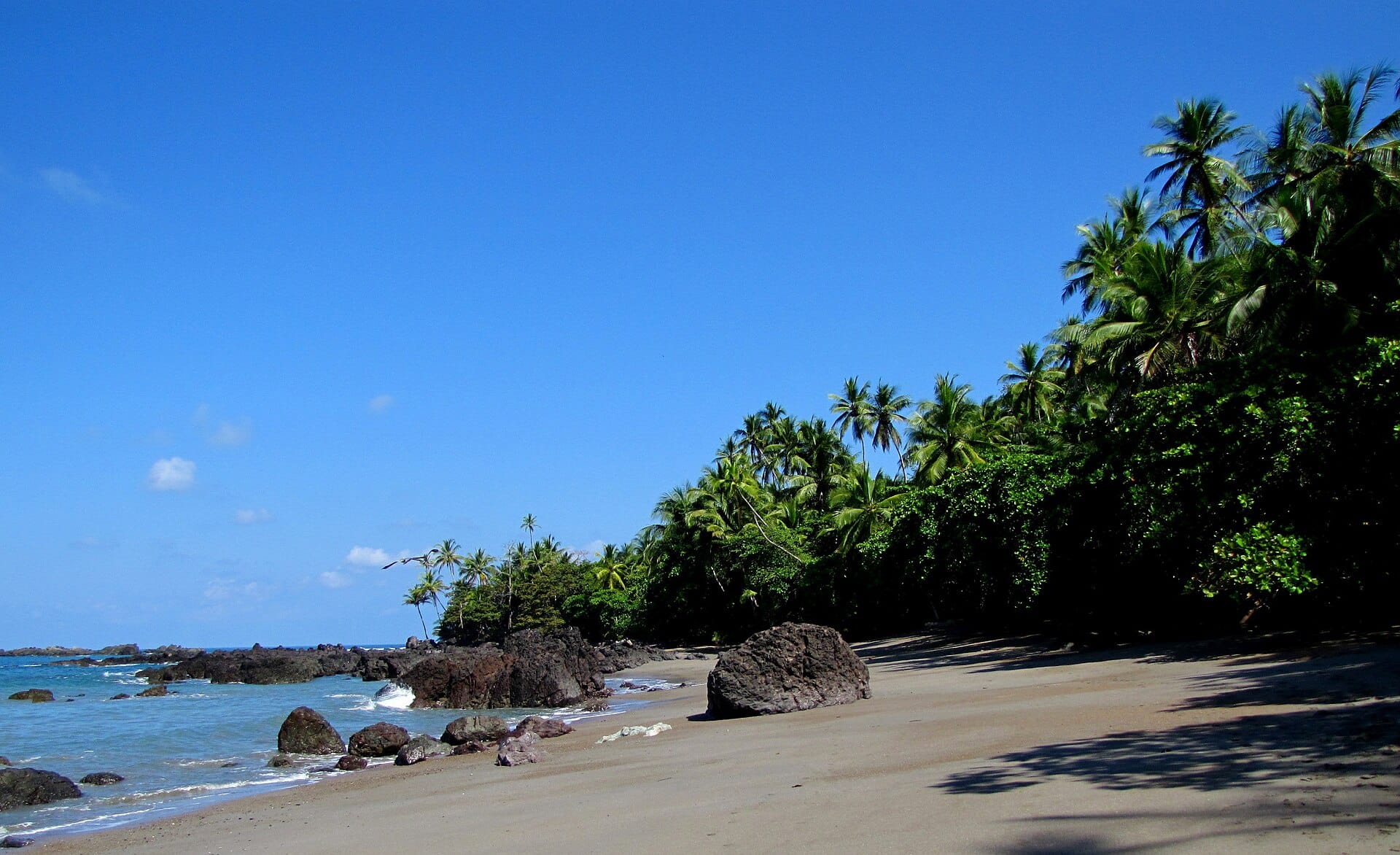
National Geographic called the Osa the most biologically intense place on Earth, and Corcovado National Park backs the boast: scarlet macaws in pairs overhead, tapirs snoozing behind the beach, all four Costa Rican monkey species arguing in the canopy. Access is by boat or on foot with a licensed guide — book one well ahead, since park permits are capped daily. December to April keeps the trails passable.
5. Komodo, Indonesia
Explore destination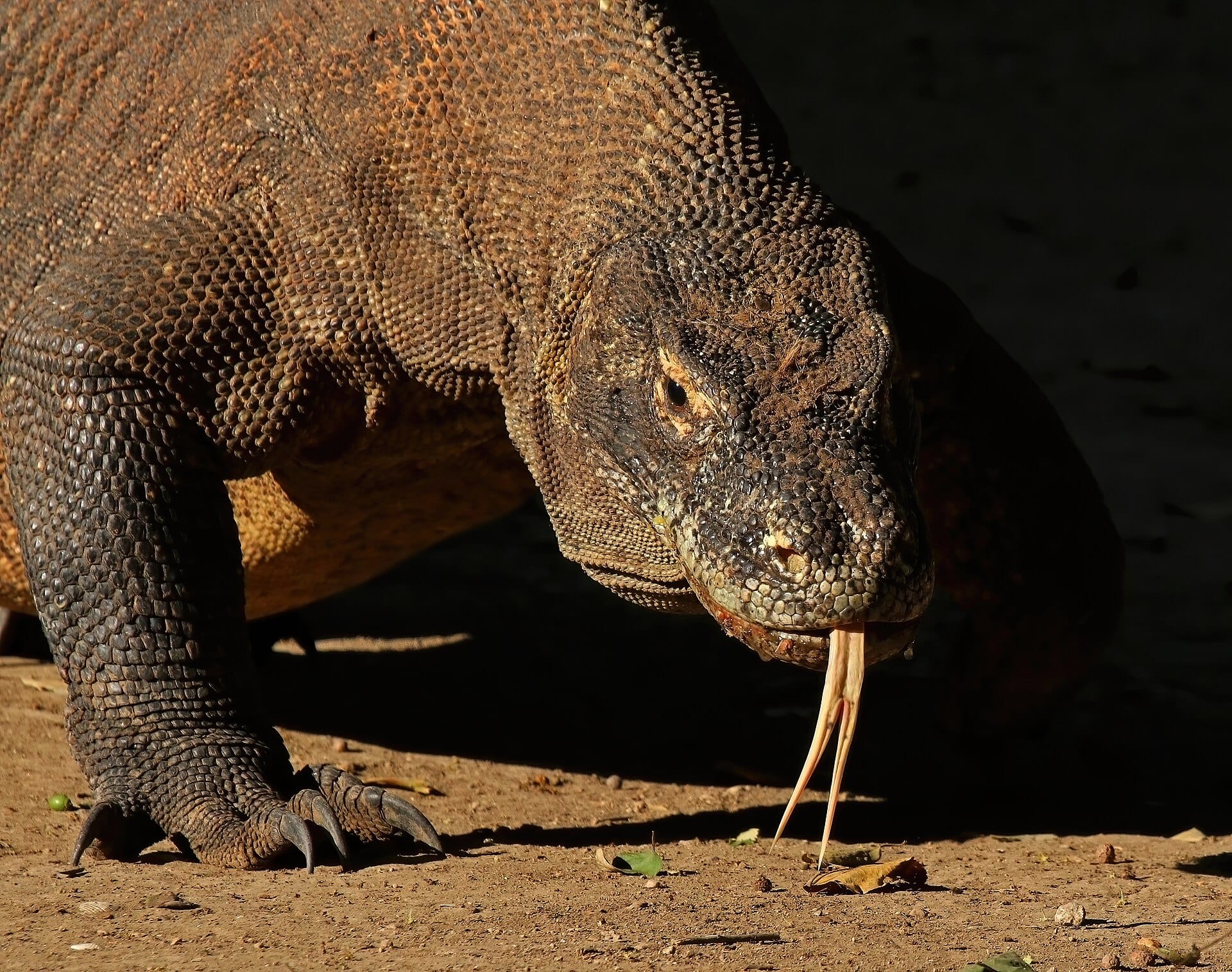
The world's largest lizard lives on a handful of scorched islands between Sumbawa and Flores, and meeting one — three metres of muscle and patience — recalibrates your respect for reptiles. Boat trips from Labuan Bajo pair dragon walks on Rinca or Komodo with snorkelling at Manta Point and the pink-tinged sands of Pantai Merah. Visit April to June, when the hills are still green and the crowds thinner.
6. Raja Ampat, Indonesia
Explore destination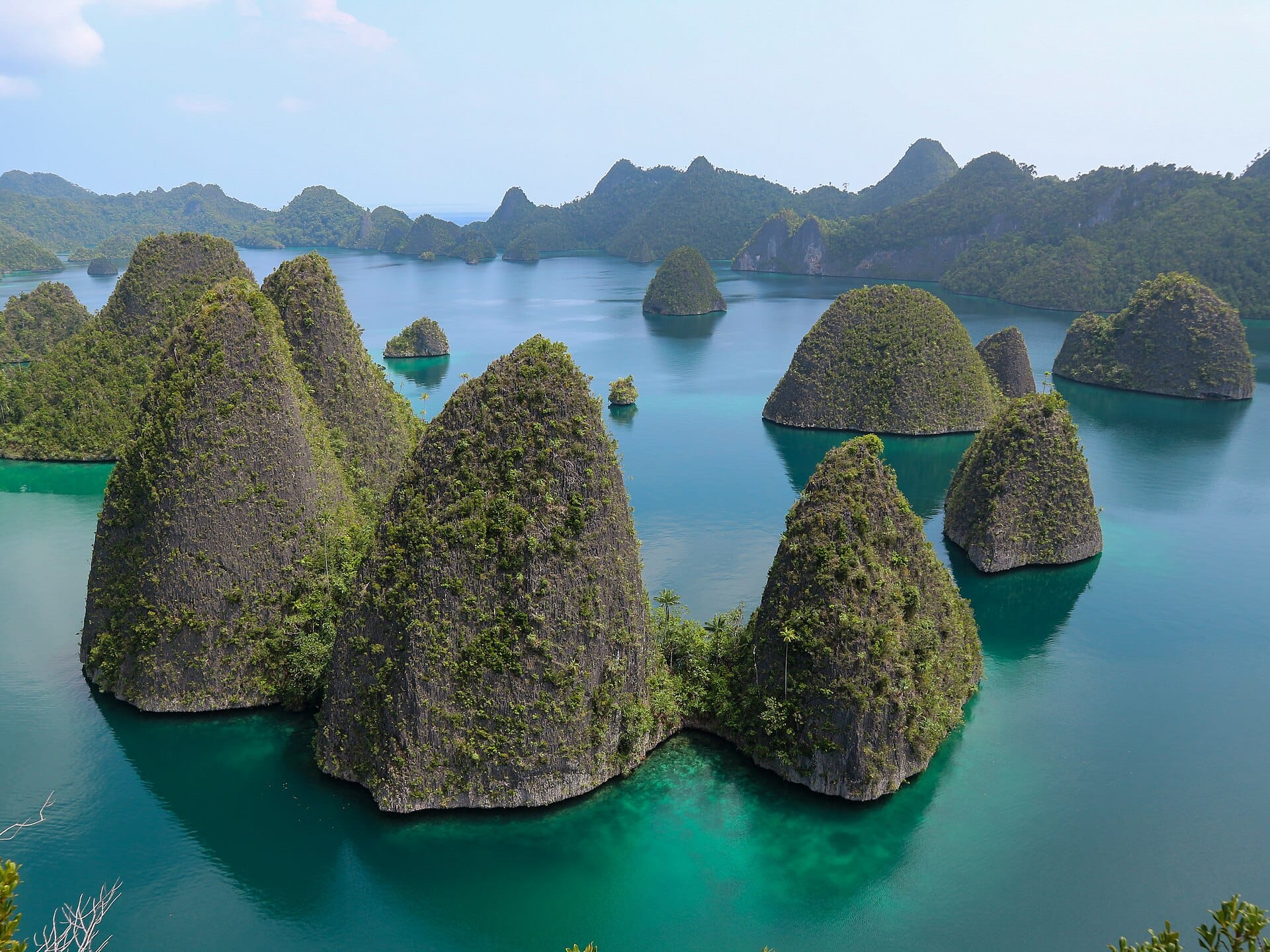
Raja Ampat's reefs hold more fish and coral species than anywhere on the planet — a statistic that becomes cheerfully absurd the moment you put your face in the water. Mantas, wobbegongs and walking sharks headline; the supporting cast numbers thousands. Homestays on Kri and Gam have made the archipelago affordable without a liveaboard. October to April brings the calmest seas; getting there via Sorong is half the adventure.
7. Tortuguero, Costa Rica
Explore destination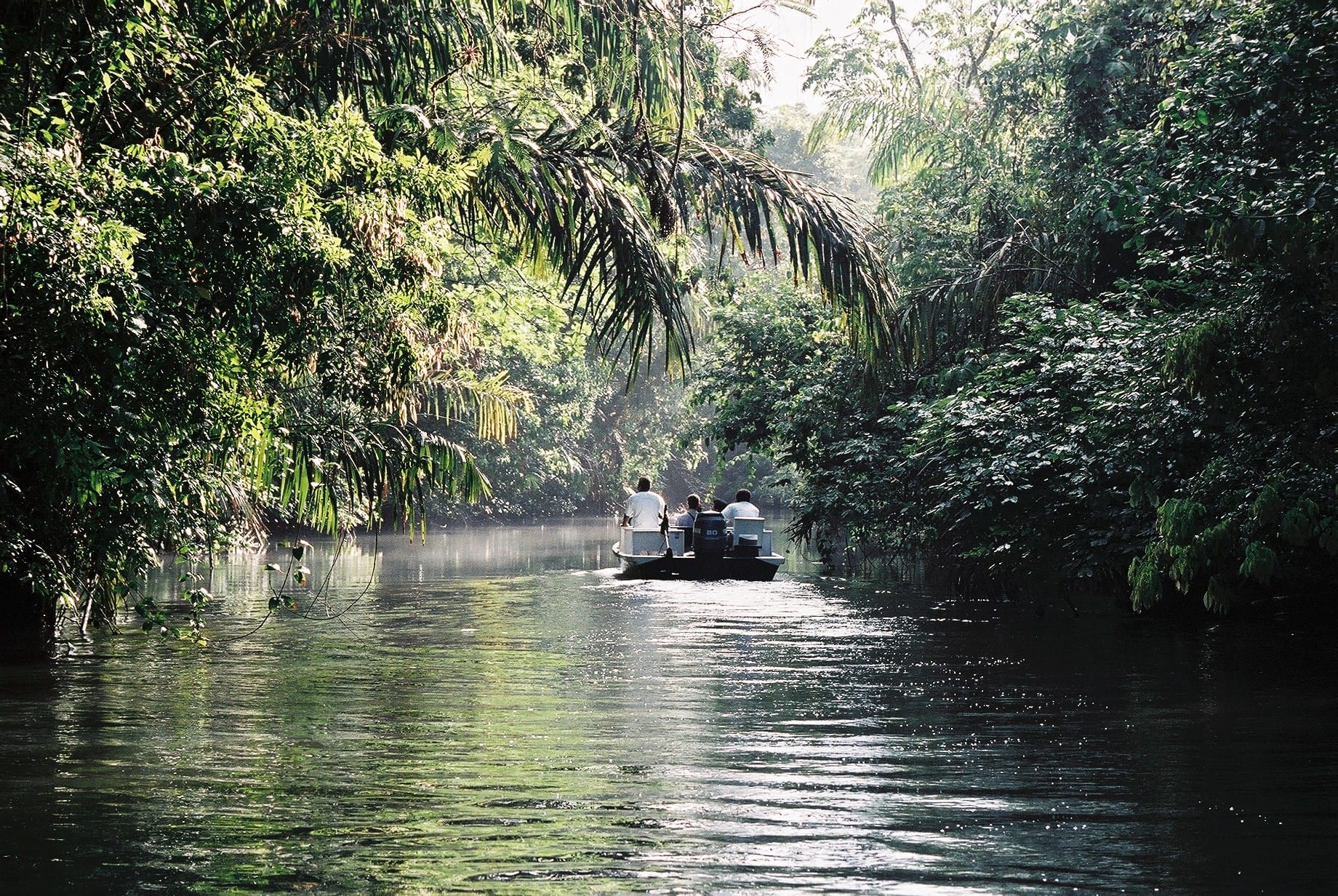
On Costa Rica's roadless Caribbean coast, Tortuguero is reached by boat through jungle canals patrolled by caimans, kingfishers and howler monkeys. The main event is nocturnal: between July and October, green turtles nest on the black-sand beach in their thousands. Night viewing is only allowed with a certified local guide in small groups — book one through your lodge and leave the camera behind, since flashes are banned.
8. Yala, Sri Lanka
Explore destination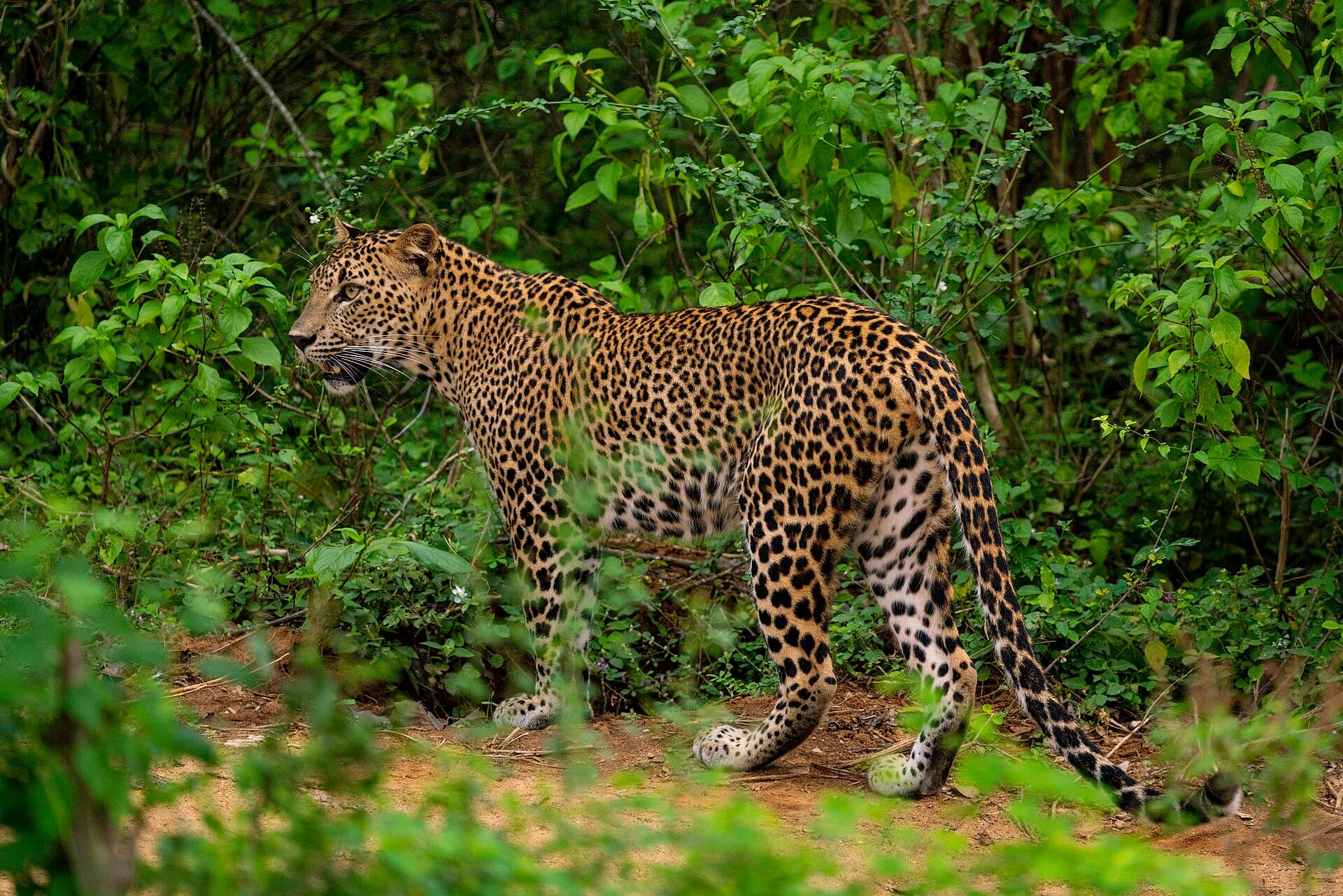
Yala National Park has the densest leopard population on Earth, and Sri Lanka throws in elephants, sloth bears, crocodiles and painted storks as supporting acts — all against a coastline where the jungle runs down to empty Indian Ocean beaches. Take the earliest safari slot, when cats are still on the move, and insist on a driver who doesn't chase radio tip-offs. February to July, when water holes shrink, gives the best sightings; block five in the park is quietest.
9. Ningaloo Reef, Australia
Explore destination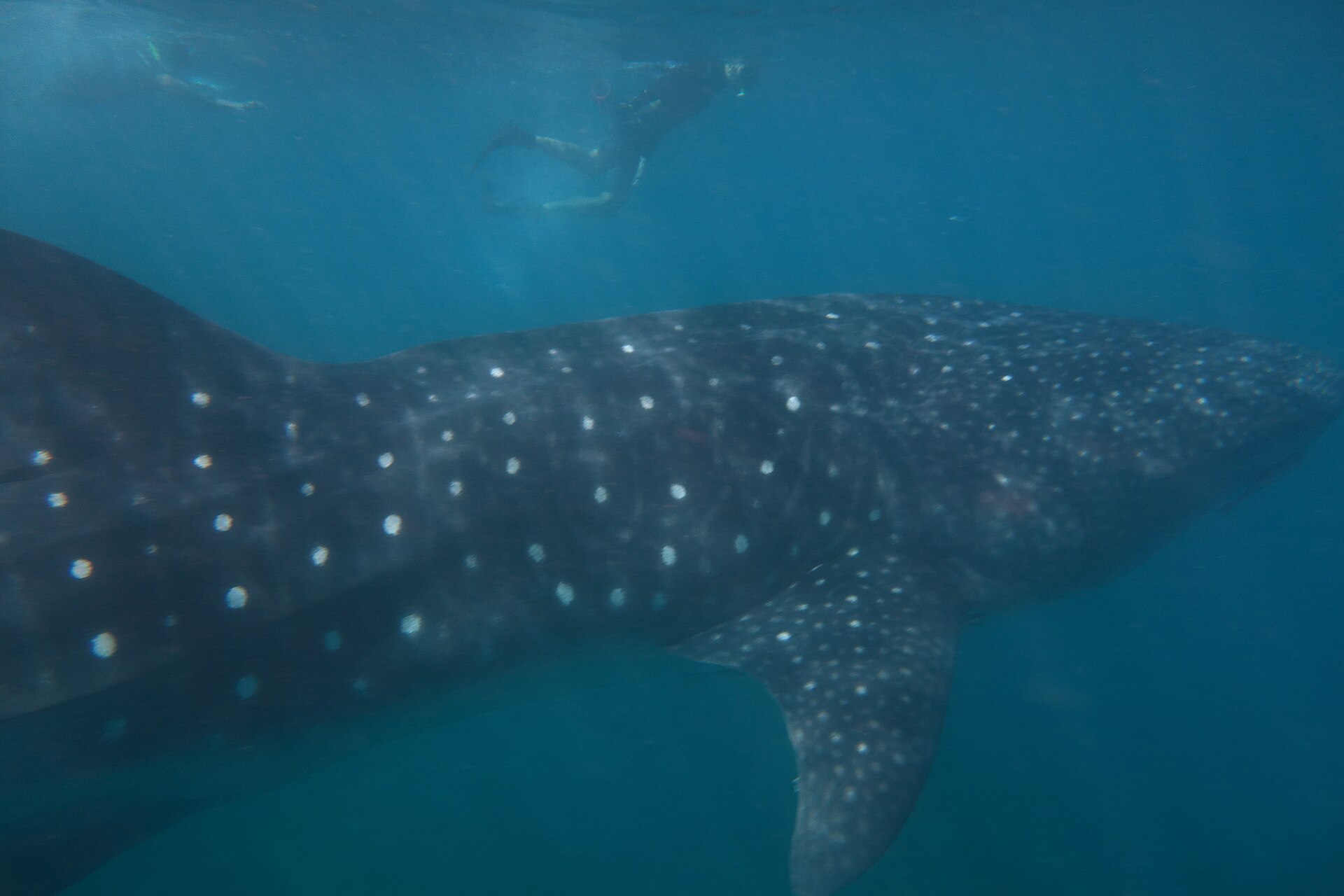
On Western Australia's remote Coral Coast, Ningaloo does what the Barrier Reef can't: the coral starts a swim from the beach, and between March and July whale sharks — the biggest fish in the sea — cruise the reef edge in numbers found almost nowhere else. Licensed boats from Exmouth use spotter planes, so success rates are startlingly high. Humpbacks take over from August; turtles nest from November. Book whale-shark swims months ahead — they sell out fast.
10. The Pantanal, Brazil
Explore destination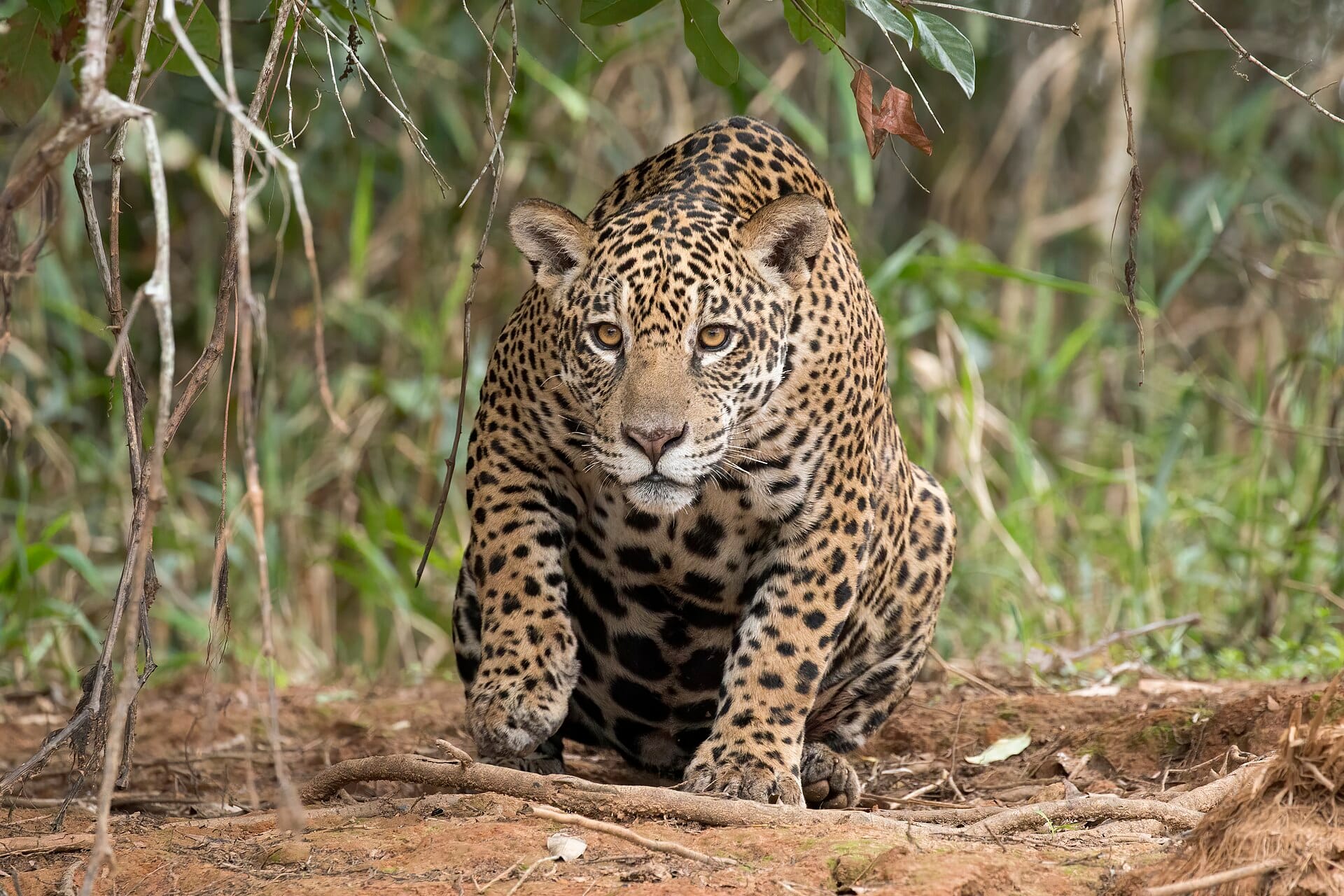
Forget the Amazon for actually seeing animals — the Pantanal, the world's largest tropical wetland, lays its wildlife out across open marshes: jaguars lounging on riverbanks, giant otters bickering, hyacinth macaws in screeching blue pairs and caimans beyond counting. Boat safaris out of Porto Jofre, at the end of the Transpantaneira road, offer the planet's most reliable jaguar sightings. Come in the July-to-October dry season, when animals crowd the shrinking rivers and the roads stay passable.